London
London
Europe
EUROPE
Yes
22
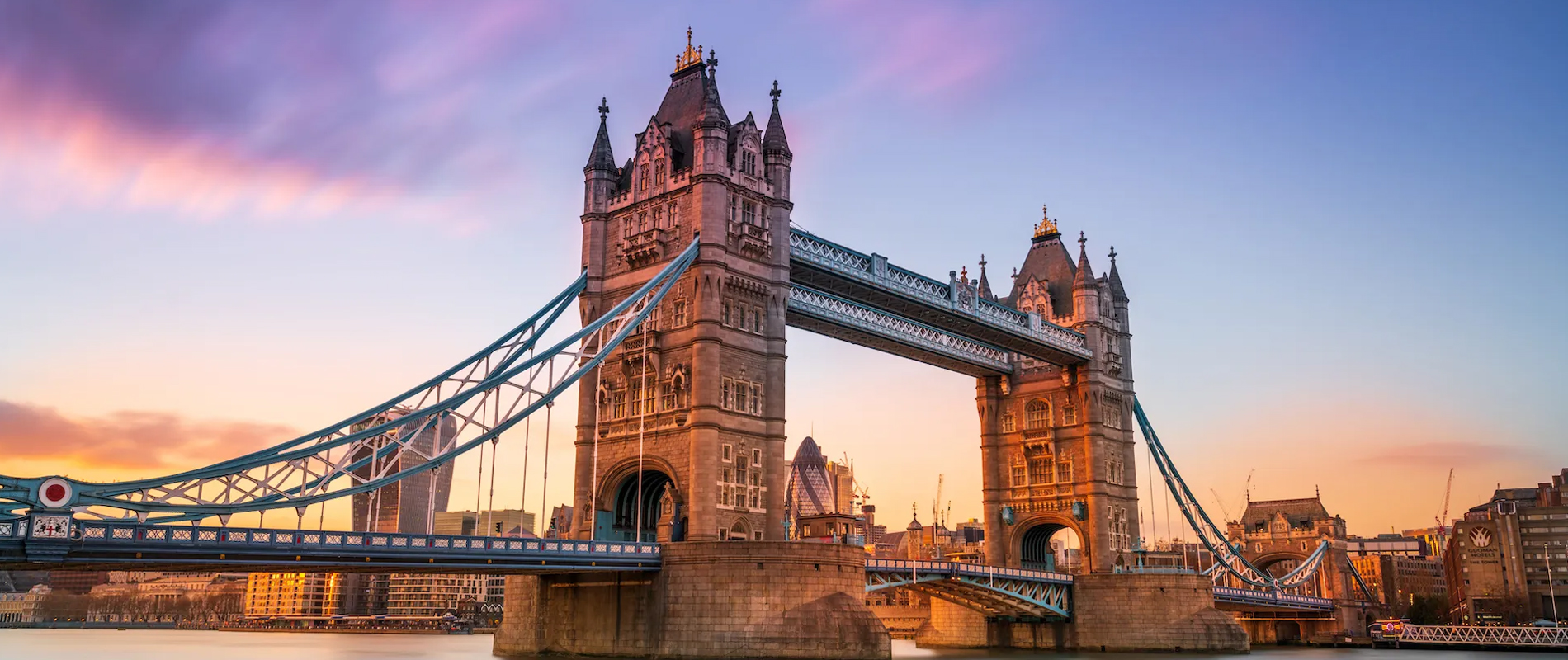
London, the capital of the United Kingdom, is a dynamic city that skillfully combines modernity, culture, and history. Everyone can find something to enjoy in this city, from its famous landmarks to its varied neighborhoods. This essay will take you on an engrossing tour through London's numerous facets, revealing its rich history, cultural treasures, and distinct appeal. This city is a veritable gold mine of experiences, where contemporary fashions and centuries of history coexist peacefully. Discovering its varied districts, historical landmarks, cultural establishments, and gastronomic treats provides a singular and captivating experience that lingers long after you've departed. The London post town, where "LONDON" appears in postal addresses, makes up about 40% of Greater London. Greater London is approximately the same size as the London telephone area code (020). Some outside districts are included in this area, while others are just beyond its borders. Interestingly, parts of the M25 motorway coincide with the Greater London boundaries. In 2019, London's gross regional product was £503 billion, or about 25% of the UK's total GDP.The City, Westminster, Canary Wharf, Camden & Islington, and Lambeth & Southwark are the five main business areas of London. Examining the respective amounts of office space is one method to determine their relative importance: In 2001, there were 27 million square metres of office space in Greater London, whereas the City has the largest amount at 8 million square metres. The cost of real estate in London is among the highest in the world. The Palace of Westminster, which became the permanent home of the royal court and, as a result, the political center of the country, moved the capital of England from Winchester to London in the 12th and 13th centuries. Greater London, also referred to as London, is a territory of England that has been defined in recent years. With fluctuating temperatures all year long, London enjoys a temperate oceanic environment. Records of rainfall go back at least to 1697, demonstrating the city's meteorological trends. While winters are generally cold and stable, summers are typically warm. Concerns have been raised that water shortages may materialize by 2050 because London is vulnerable to climate change. The longer-distance train network that enters London is not under the mayor's financial control, despite transportation being one of the four primary policy areas under his administration. The London Underground, trams, and buses were already within the Mayor of London's jurisdiction, but in 2007 the Mayor took over some local lines that currently make up the London Overground network. Transport for London (TfL) is in charge of managing the public transport system. Among the four global fashion capitals, London is a towering presence that sets trends and dictates fashion. The West End of the city is home to both theater and avant-garde fashion events. Attracting both filmmakers and moviegoers, London is the third-busiest film production hub in the world. There is nothing like London's contribution to the music industry. The city is home to concert halls, orchestras, and large music enterprises. The symphonies of the London Philharmonic Orchestra, London Symphony Orchestra, and others reverberate throughout the Royal Albert Hall, the Barbican Arts Centre, and the Southbank Centre. The main event is the yearly Proms, which honor classical music.
Belfast Europe
Belfast Europe
Europe
EUROPE
Yes
23
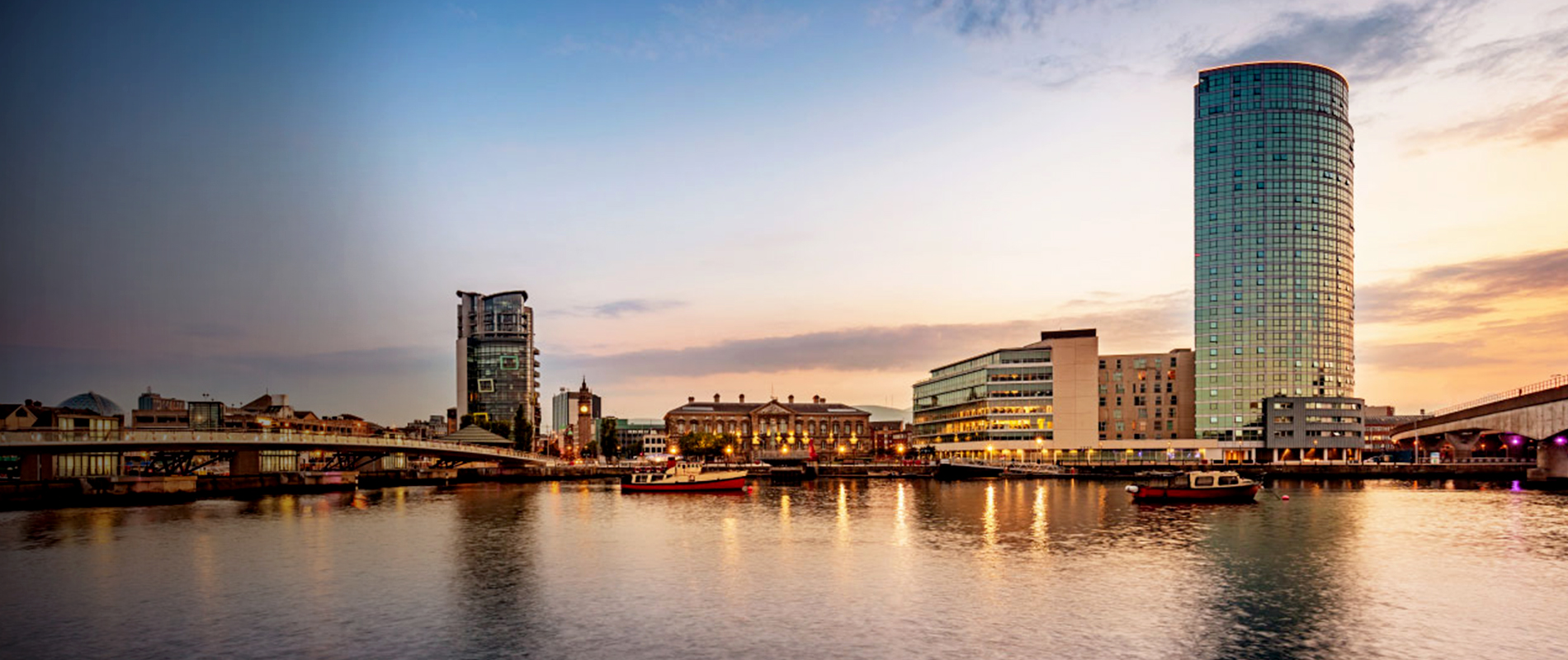
Belfast, the capital and main port of Northern Ireland, is situated on the banks of the Lagan River and is connected to the ocean by the North Channel and Belfast Lough. With a projected population of 348,005 in 2022 and a metropolitan area of 671,559. It is the second-largest city in Ireland, after Dublin. An influx of Scottish Presbyterians propelled the town's early expansion after it was first established as an English hamlet in 1613. The revolt of 1798 and the union with Great Britain in 1800, which is later seen as a crucial factor in the town's industrial change, were both influenced by their descendants' disenchantment with Ireland's Anglican establishment. There were sectarian problems with the Irish Catholic community, which was attracted from western districts by jobs in factories and mills. Increased by disagreements about Ireland's future in the UK, these two times erupted in protracted violence: in 1920–22, when Belfast became the capital of the six northeastern counties that maintained their British ties, and in the late 1960s, when the British Army was constantly present on the streets. The division of Protestant and Catholic working-class communities by barriers is a relic of strife. Belfast's name, Feirste in Irish, alludes to a tidal ford or sandbar.This was created where the river flowed into the Lagan down High Street until it was culverted in the late 18th century. The early settlement sprang up at this crossing, which is beneath or near the present Queen's Bridge. Different transcriptions of regional pronunciations of "Belfast"—such as Bilfawst, Bilfaust, or Baelfawst—that they occasionally find acceptable are used by Ulster-Scots compilers. In addition to one each in Australia, Canada, New Zealand, and South Africa, Belfast has given its name to over a dozen settlements in the United States, the largest of which being Belfast, Maine, as a result of emigration. Belfast saw a sharp increase in industry starting in the 1820s, whereas other Irish towns saw a decline in manufacturing. Following a cotton boom and bust, the town gained the nickname "Linenopolis" for being the world leader in the production of linen items, which mostly involved women and children working in the mill and finishing processes. Heavy industry developed as a result of shipbuilding.Her shipyards were producing up to 25% of the United Kingdom's total tonnage by the 1900s, and they closed one-eighth of the world's production in 1914, just before the Great War.167 This featured the tragic RMS Titanic, the biggest ship in the world when she was launched in 1911, which was built by Harland & Wolff.Mineral waters, tobacco, rope, and textile machinery were among the other important export sectors.

 (1).jpg)

.jpg)

.jpg)


