Tokyo to Yokohama, Japan
Tokyo is the capital city of Japan and one of the most populous cities in the world. It’s a global hub for finance, culture, and technology. Known for its mix of modern skyscrapers, traditional temples, cutting-edge fashion, and efficient transport, Tokyo is a vibrant and fast-paced city. Yokohama is Japan’s second-largest city, located just south of Tokyo. It’s a major port city known for its beautiful waterfront, international influence, and modern architecture. Yokohama has a relaxed vibe compared to Tokyo, with attractions like the Cup Noodles Museum and a large Chinatown district. Shinkansen (Bullet Train) Line: Tokaido Shinkansen Travel Time: Approximately 18 minutes Fare: Around ¥1,380 for an unreserved seat and ¥3,210 for a reserved seat JR Tokaido Main Line Travel Time: Approximately 23–30 minutes Fare: Approximately ¥500–¥1,000 Keihin-Tohoku Line Travel Time: Approximately 40 minutes Fare: Approximately ¥500–¥1,000 TravelPander+6 Narita Express (N'EX) Service: Direct service from Narita Airport to Yokohama Booking: Reservations can be made online All these trains are modern, punctual, and offer a comfortable travel experience. If you're looking for a scenic or luxury train journey within Japan, options like the Saphir Odoriko or Seven Stars in Kyushu might be of interest.
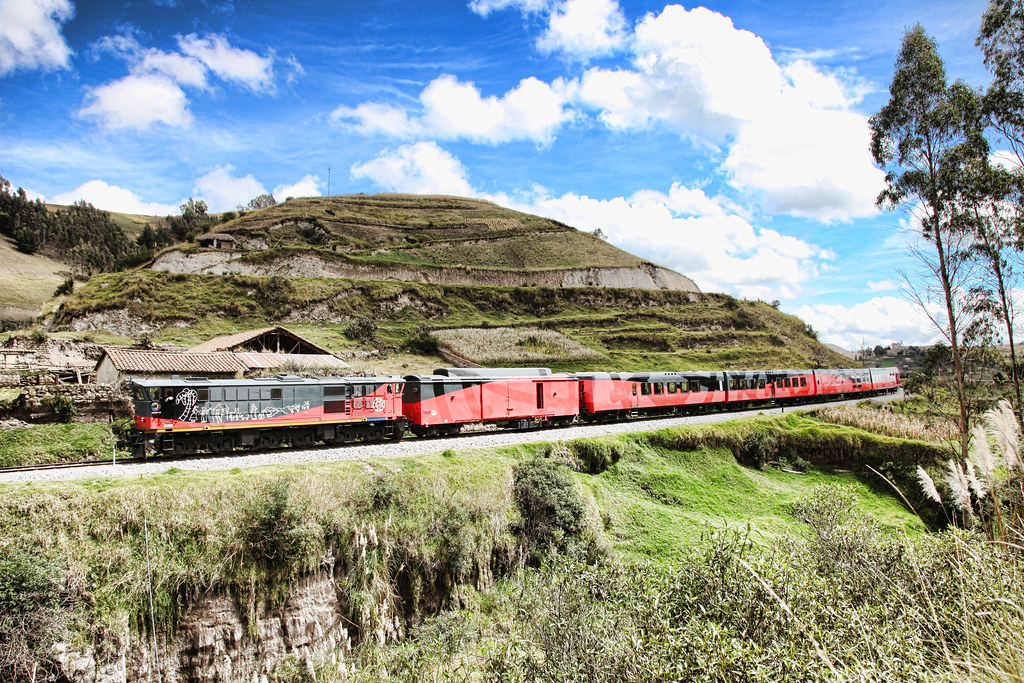
The Tren Crucero is a luxury train service operating in Ecuador, not Japan. If you're interested in train travel between Tokyo and Yokohama, Japan offers several efficient and frequent train services for this route. Train Options from Tokyo to Yokohama The journey between Tokyo and Yokohama is well-served by multiple train lines, ensuring convenience and flexibility for travelers. Here are the primary options: JR Tokaido Main Line: Duration: Approximately 23–30 minutes. Frequency: Trains run frequently throughout the day. Notable Services: Includes limited express trains like the Odoriko and Saphir Odoriko, offering faster travel times. JR Keihin-Tohoku Line: Duration: Around 30 minutes. Stops: Connects major stations between Tokyo and Yokohama, making it convenient for various city center locations. JR Yokosuka Line: Duration: Approximately 25–30 minutes. Route: Provides direct service between Tokyo and Yokohama, with stops at key stations. Sample Departure Times Here are some typical departure times from Tokyo to Yokohama: 07:00 AM: Arrives at 07:30 AM. 12:00 PM: Arrives at 12:30 PM. 05:00 PM: Arrives at 05:30 PM. Ticketing and Classes Classes Available: Most services offer Ordinary (standard) and Green Car (first-class) seating options. Booking: Tickets can be purchased at station ticket counters, through vending machines, or online via various platforms. Fares: Pricing varies based on the train line and class selected. For example, the JR Tokaido Line offers competitive rates for its services. Amenities and Services Luggage: Passengers are generally allowed up to two pieces of luggage—one carry-on and one checked bag. Onboard Services: Some trains provide complimentary Wi-Fi, snack carts, and vending machines. Accessibility: Facilities are designed to accommodate passengers with disabilities


