.jpg)
San Diago USa, USA
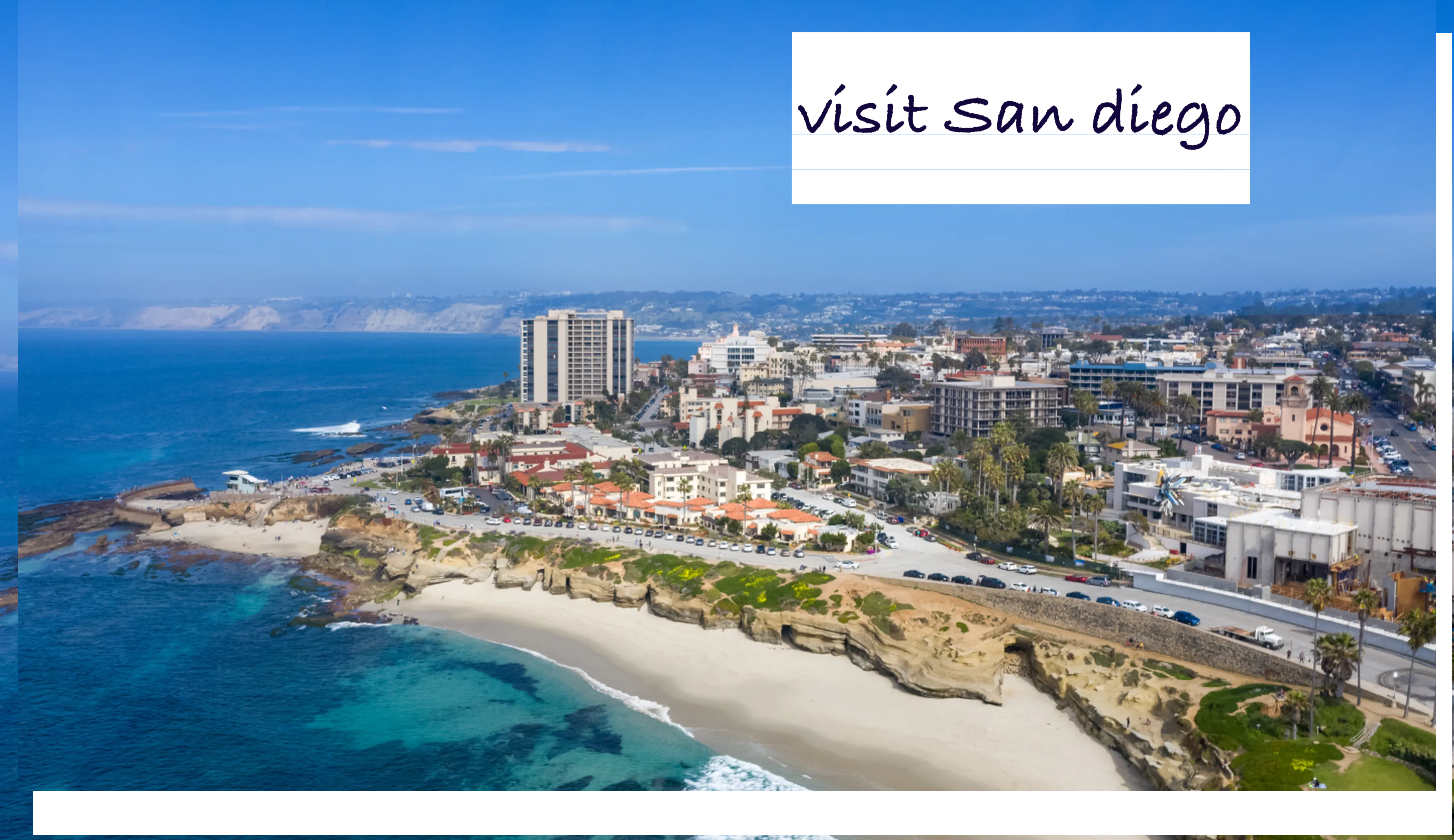
"San Diego is a city next to the Mexican-American border on Southern California's Pacific coast. With a population of more than 1.4 million, it is the eighth most populous city in the United States and the second most populous in California. Meanwhile, the San Diego metropolitan area, which has more than 3.3 million inhabitants, is the 18th largest metropolitan area in the country. The county seat of San Diego County is San Diego. It is well-known for its wide beaches and parks, moderate Mediterranean climate, long history with the US Navy, and its recent rise to prominence as a hub for the development of biotechnology, electronics, wireless, and healthcare. Tourism, international trade, manufacturing, research, and military and defense-related businesses make up the biggest sectors of San Diego's economy. Numerous universities, such as UC San Diego, San Diego State University, and the University of San Diego, are located in the city. With an expected five million residents as of 2022, San Diego serves as the economic hub of the San Diego–Tijuana region, the second-most populated transborder metropolitan area in the Western Hemisphere. The San Ysidro Port of Entry, the main border crossing between San Diego and Tijuana, is the busiest international land border crossing outside of Asia and ranks fourth overall. The busiest single-runway airport in the US is San Diego International Airport (SAN). As the first spot that Europeans visited and inhabited on what is now the U.S. West Coast, San Diego, which has historically been home to the Kumeyaay people, has been dubbed the Birthplace of California.[18] Alta California was settled 200 years later after Juan Rodríguez Cabrillo claimed the region for Spain in 1542. The first European settlement in modern-day California was established in 1769 by the Presidio and Mission San Diego de Alcalá. San Diego joined the newly established Mexican Empire in 1821. After the Mexican-American War, California was given over to the United States in 1848, and it became the 31st state to join the union in 1850. Given the city's location on the border between Mexico and the United States, its sizable Chicano population, and its past as a part of both Mexico and Hispanic America, San Diego's culture is greatly impacted by the blending of Mexican and American cultures. San Diego's culture is also influenced by its longstanding ties to the US military. Balboa Park is home to the San Diego Zoo and a number of well-known museums, including the San Diego Museum of Art, the San Diego Natural History Museum, the Museum of Us, the Museum of Photographic Arts, and the San Diego Air & Space Museum. The Santa Fe Depot downtown is home to a branch of the Museum of Contemporary Art San Diego (MCASD), which is based in La Jolla.
March to May, September to November, or June to August are the ideal times of year to visit San Diego. One of the main reasons people travel during the summer is the pleasant weather. The average temperature is about 22°C (71°F), although daily highs are frequently higher than 25°C (76°F). Expect to see more tourists than normal during San Diego's busiest tourism season, which is summer. San Diego is an unbeatable location because of its pleasant winter weather and calmer vibe. What is the average cost of 5 days trip to this destination - $2615 ($523 per day ) One of the largest cities on the US's southern West Coast is San Diego. The distance between San Diego and the Mexican border is less than 25 miles. When arriving in San Diego, foreign visitors can apply for a US visa. The type of visa a visitor chooses will determine the cost of their San Diego visa. The minimum administrative charge for applying for a B visa to the United States is $185. The cost will be less if the tourist decides to apply for ESTA: The minimal cost of ESTA is US$21. "San Diego is unquestionably worth a trip. has miles of sandy beaches, plenty of entertainment, and year-round great weather.The beaches and pleasant weather of San Diego are major attractions.The weather in San Diego is perfect for outdoor pursuits throughout the year. It is rarely too hot or too cold to take advantage of all that the city has to offer.Modern buildings provide a window into the modern American way of life, while Spanish Colonial Revival architecture evokes the past.In essence, San Diego's commitment to protecting natural areas enables tourists to enjoy every aspect of nature while making lifelong memories. "It features a lively fusion of Mexican, international, and coastal flavors. Wood-fired pizza, clam chowder, Peruvian ceviche, fish tacos, and local wine and beer are all available.San Diego-style pizza, gourmet burgers, seafood ceviche or oysters, seafood cioppino, California burritos, California-style sushi, or California rolls "Three trolley lines make up the San Diego Metropolitan Transit System, or SDMTS: The Blue Line passes through Old Town and Downtown on its way to the Mexican border. Through Lemon Grove and El Cajon, the Orange line links San Diego's downtown with its eastern regions. From Old Town, the Green Line passes via Santee, Mission Valley, and San Diego State University. San Diego has plenty of taxis, but they can be pricey.The majority of hotels, the airport, and many of the most well-known San Diego attractions have taxi stands.A convenient pick-up service at hotels in the San Diego area is also offered by several rental vehicle companies. Public Transit: Every 15 minutes throughout the week and every 30 minutes on the weekends, the San Diego Transit Flier, bus route 992, travels between downtown San Diego and the airport. Please be aware that purchasing a bus ticket requires exact change. For the most recent 992 fare information, see the MTS website. By Shuttle: Airport shuttles can be reserved in advance and operate frequently from the airport terminals to different locations throughout the city. Shuttles offer a convenient and cost-effective substitute for taxis.