London
London
Europe
EUROPE
Yes
22
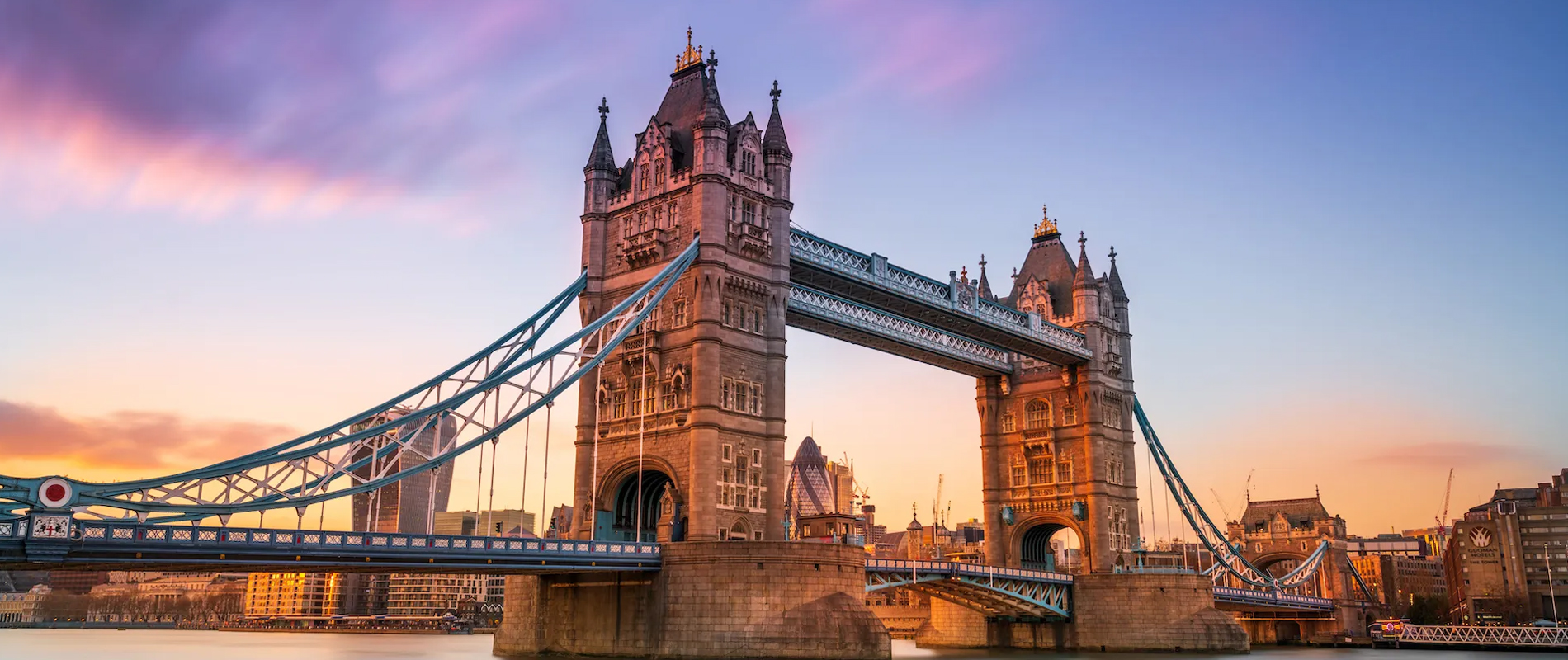
London, the capital of the United Kingdom, is a dynamic city that skillfully combines modernity, culture, and history. Everyone can find something to enjoy in this city, from its famous landmarks to its varied neighborhoods. This essay will take you on an engrossing tour through London's numerous facets, revealing its rich history, cultural treasures, and distinct appeal. This city is a veritable gold mine of experiences, where contemporary fashions and centuries of history coexist peacefully. Discovering its varied districts, historical landmarks, cultural establishments, and gastronomic treats provides a singular and captivating experience that lingers long after you've departed. The London post town, where "LONDON" appears in postal addresses, makes up about 40% of Greater London. Greater London is approximately the same size as the London telephone area code (020). Some outside districts are included in this area, while others are just beyond its borders. Interestingly, parts of the M25 motorway coincide with the Greater London boundaries. In 2019, London's gross regional product was £503 billion, or about 25% of the UK's total GDP.The City, Westminster, Canary Wharf, Camden & Islington, and Lambeth & Southwark are the five main business areas of London. Examining the respective amounts of office space is one method to determine their relative importance: In 2001, there were 27 million square metres of office space in Greater London, whereas the City has the largest amount at 8 million square metres. The cost of real estate in London is among the highest in the world. The Palace of Westminster, which became the permanent home of the royal court and, as a result, the political center of the country, moved the capital of England from Winchester to London in the 12th and 13th centuries. Greater London, also referred to as London, is a territory of England that has been defined in recent years. With fluctuating temperatures all year long, London enjoys a temperate oceanic environment. Records of rainfall go back at least to 1697, demonstrating the city's meteorological trends. While winters are generally cold and stable, summers are typically warm. Concerns have been raised that water shortages may materialize by 2050 because London is vulnerable to climate change. The longer-distance train network that enters London is not under the mayor's financial control, despite transportation being one of the four primary policy areas under his administration. The London Underground, trams, and buses were already within the Mayor of London's jurisdiction, but in 2007 the Mayor took over some local lines that currently make up the London Overground network. Transport for London (TfL) is in charge of managing the public transport system. Among the four global fashion capitals, London is a towering presence that sets trends and dictates fashion. The West End of the city is home to both theater and avant-garde fashion events. Attracting both filmmakers and moviegoers, London is the third-busiest film production hub in the world. There is nothing like London's contribution to the music industry. The city is home to concert halls, orchestras, and large music enterprises. The symphonies of the London Philharmonic Orchestra, London Symphony Orchestra, and others reverberate throughout the Royal Albert Hall, the Barbican Arts Centre, and the Southbank Centre. The main event is the yearly Proms, which honor classical music.
Cairo Africa
Cairo Africa
Cairo
AFRICAN
Yes
38
Cairo isn’t just the capital of Egypt — it’s the pulse of the nation. A city where ancient history meets modern chaos, where the call to prayer rises above the traffic, and where every alley seems to hum with life. Home to over 10 million people, Cairo is one of the biggest and most energetic cities in the Middle East and Africa. It’s a place of contrasts — the timeless Pyramids of Giza just a short drive from bustling markets, rooftop cafés, and shiny new malls. The Greater Cairo Metropolitan Area, with more than 22 million residents, is among the most populated urban regions on Earth. Surrounded by ancient sites like Memphis, Heliopolis, and the Giza Plateau, Cairo is a living bridge between Egypt’s past and its future. The city’s origins trace back to Fustat, Egypt’s first Islamic capital founded in 641 CE, and later to 969 CE, when the Fatimid dynasty created what we now call Cairo. Through centuries — under the Ayyubids, Mamluks, and beyond — the city became Egypt’s heart of architecture, art, and learning.
.jpg)

 (1).jpg)

.jpg)




.jpg)