Kasol Himachal Pradesh, India
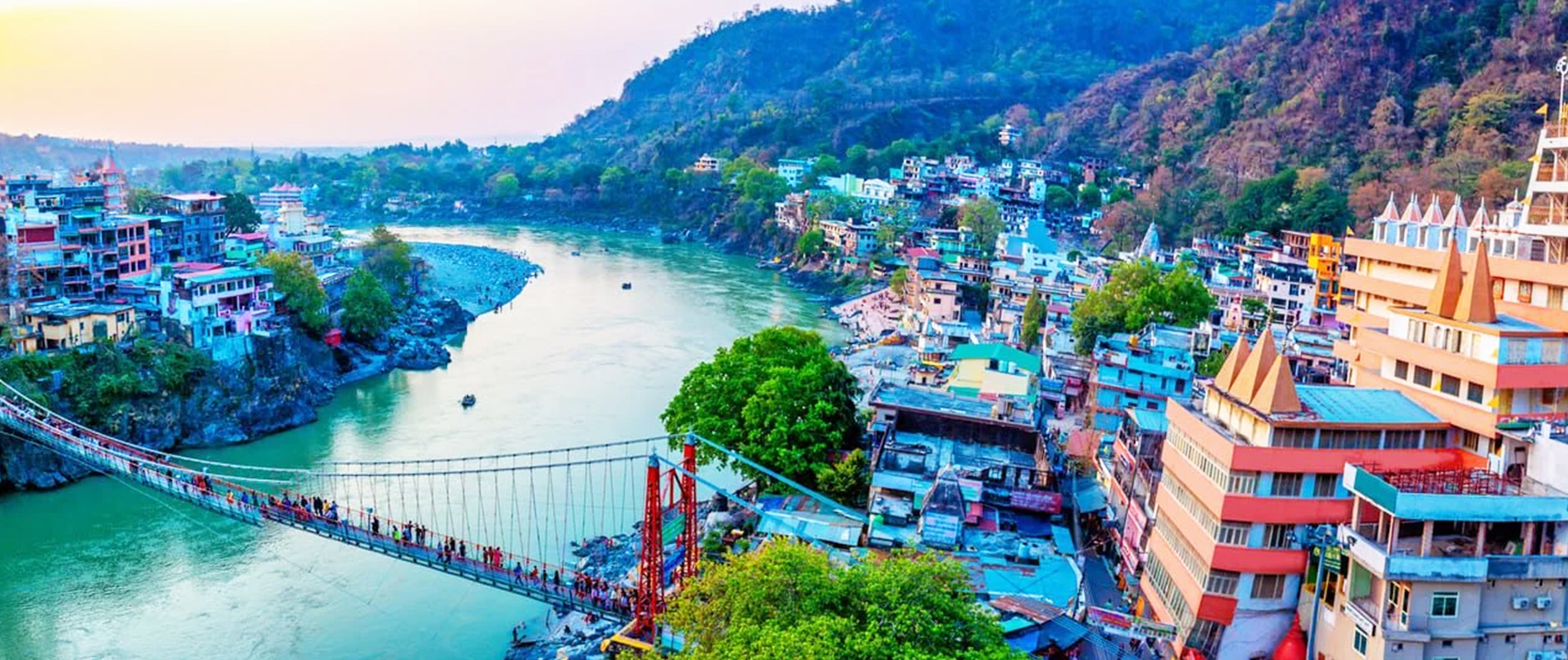
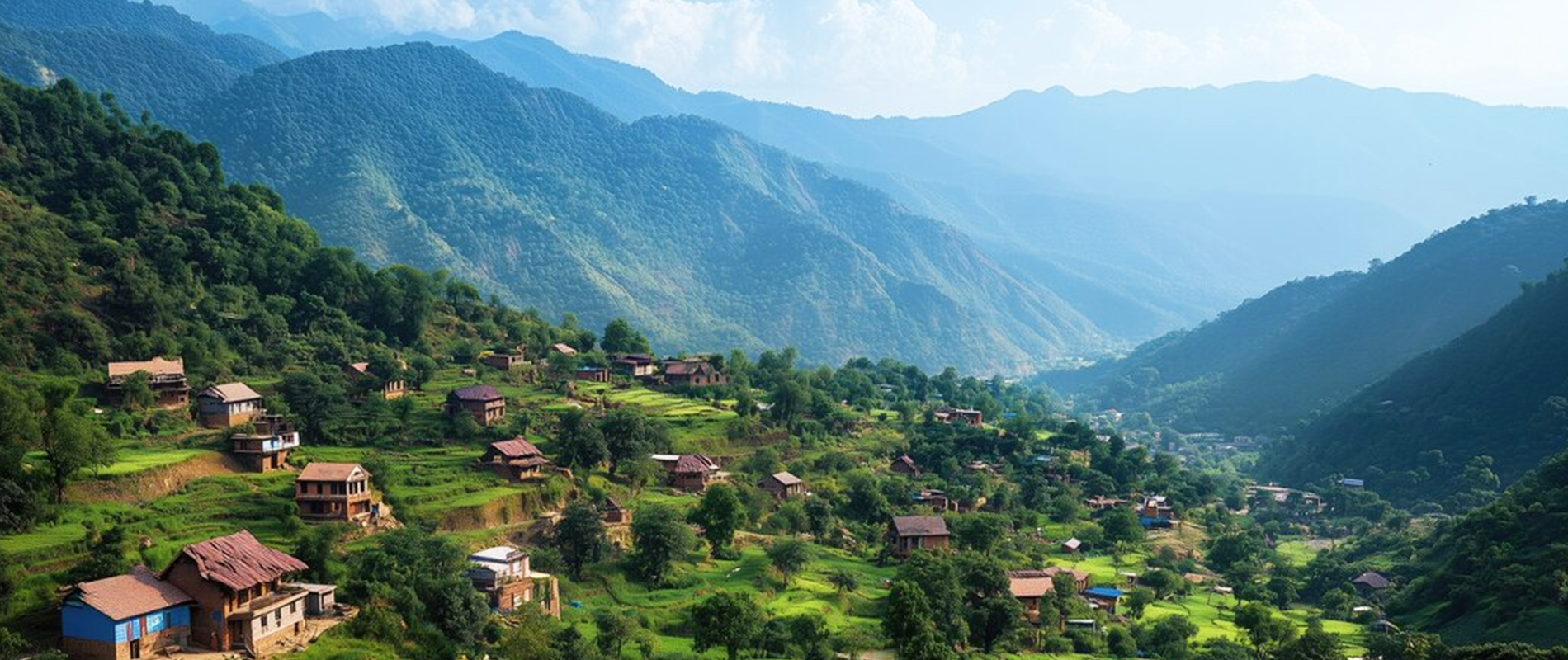
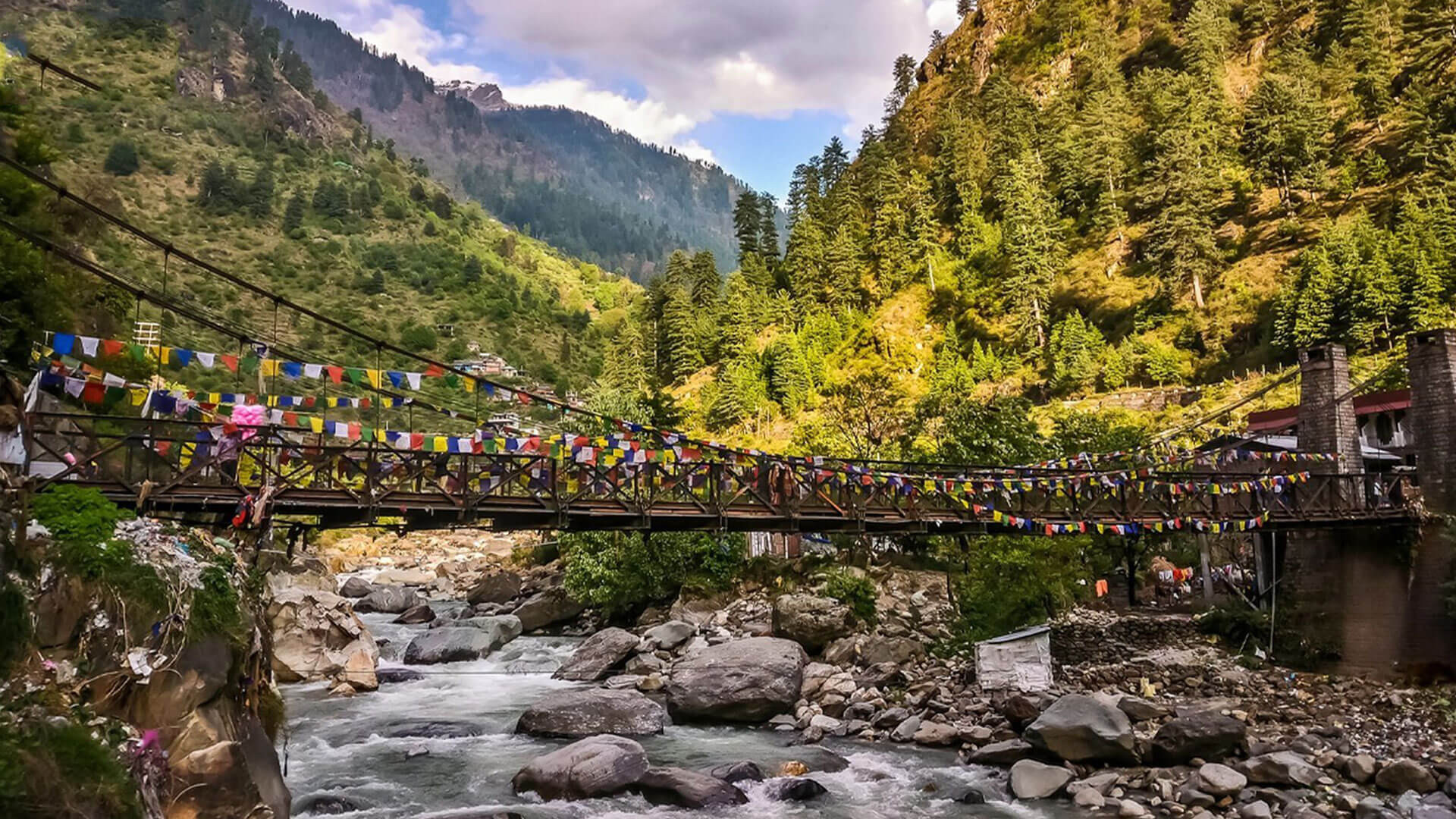
The Indian state of Himachal Pradesh contains the hamlet of Kasol in the Kullu district. It is located between Bhuntar and Manikaran in the Parvati Valley, on the banks of the Parvati River. It is situated 36 km (22 mi) from Kullu town, the district center, 3.5 km from Manikaran, and 30 km (19 mi) from Bhuntar. Backpackers love Kasol, which serves as a starting point for the neighboring hikes to Malana and Kheerganga.Because of the large number of Israeli visitors, it is known as Mini Israel of India. The nearest airport to Bhuntar is Kullu-Manali Airport (IATA: KUU, ICAO: VIBR), which is roughly 31 kilometers away. Cities like Delhi, Shimla, Kolkata, and others are connected by it. The closest train station is Joginder Nagar, which is roughly 144 kilometers away. Additionally, Kasol is 260 kilometers from Chandigarh Airport (IXC). In addition to receiving a decent amount of snowfall from late December to February, Kasol has pleasant weather for a number of months of the year. Its climate is classified as humid subtropical by the Köppen-Geiger climate classification system. Kasol is a charming tiny town on the banks of the Parvati River in Himachal Pradesh, India. It's frequently called the 'Amsterdam of India' and is quickly becoming a well-known destination for hikers, travelers, and environment enthusiasts. Overall, the town's culture is a blend of Indian, Himachali, Israeli, and hippie. Trekking paths, snow-capped peaks, rivers, thick woods, picturesque vistas, and nice weather are just a few of the many natural and adventurous attractions that Kasol has to offer. Kasol is well-known for its hiking routes and is a popular destination for treks to Yanker Pass, Sar Pass, Pin Parbati Pass, and Kheerganga. Visit the village of Malana to get a true sense of the culture in this area. Malana is a little hamlet a few kilometers from Kasol where residents live in self-imposed seclusion. However, the settlement, which is frequently referred to as "Little Greece," boasts many picturesque attractions.
The greatest time to visit Kasol is from October to June because of the consistently excellent weather. Even though Kasol has pleasant weather all year round, March through May are the best months to go trekking in the area. The weather is good at this time of year, with temperatures between 15 and 22 degrees Celsius. However, the winter months of October through February are ideal for you if you enjoy taking walks in the pleasant evening breezes and chilly nights. The season's average temperature ranges from 3 to 10 degrees Celsius, and snow may cause the roads leading to Kasol to become blocked. The ideal season to visit Kasol is during the summer, when temperatures often range from 13 to 30 degrees Celsius. The favorable weather throughout the March–June summer months makes it the ideal destination for trekking, enjoying the lively cafes and verdant landscapes, and taking in the tranquil Himalayan atmosphere. The Himachal Pradesh hamlet of Kasol, which is located in the Parvati Valley, is well-known for its stunning vistas of the snow-capped mountains. Kasol offers the right environment for escaping the bustle of the city and is a place where leisure and adventure coexist well. The days are comfortable and the nights are freezing, with typical temperatures ranging from 2 to -11 degrees. Adventures such as trekking to Sar Pass, Pir Parvati Pass, and Kheerganga are most enjoyable during these months. Budget-friendly pricing are available for booking stays.Winter in Kasol is a popular time to come because of its breathtaking scenery, thrilling treks, roaring Parvati River, and mouthwatering cuisine. Your daily living expenses will amount approximately Rs. 500 on average. This will also change based on a number of variables, such as when you arrived, where you were staying, and how well you were able to negotiate.To enter and remain in India, a valid VISA is required. If a foreigner wants to stay longer, they should get in touch with the Sadar Police Station or the closest Foreigners' Regional Registration Officer. Because of the large number of Israeli settlers and tourists, Kasol, sometimes referred to as the "Mini Israel of India," is a cultural melting pot. Israeli culture has influenced the Kasol's cuisine, music, art, and language. Shakshuka and hummus are Israeli delicacies that are served at cafes. The Parvati River runs directly through the center of Kasol, making it one of the most beautiful locations to visit. One of the most notable sights in Kasol is Manikaran Sahib, which is only 4 miles away. This holy site has a beautiful Gurudwara that is well-known for its langars, or communal meals, which are served for free. One of the most unusual destinations in Kasol is the Malana Village Valley, which is well-known for its unique culture and long-standing customs.Although Naggar Castle is a little outside of Kasol, if you have a few days, it's well worth the trip. This historic castle provides breathtaking views of the Kullu Valley and has a fascinating past. Naggar Castle is the ideal combination of culture and history to balance out your adventure in the outdoors if you're organizing your list of things to see in Kasol in two days. One of the most unusual destinations in Kasol is the Malana Village Valley, which is well-known for its unique culture and long-standing customs.Although Naggar Castle is a little outside of Kasol, if you have a few days, it's well worth the trip. This historic castle provides breathtaking views of the Kullu Valley and has a fascinating past. Naggar Castle is the ideal combination of culture and history to balance out your adventure in the outdoors if you're organizing your list of things to see in Kasol in two days.Its varied treks that accommodate different ability levels are the first factor contributing to its appeal. Kasol, also referred to as the "Mini Israel of India," is a cultural melting pot mostly because of the influx of Israeli tourists and settlers. The cuisine, music, art, and language of the Kasol are all influenced by Israeli culture. Israeli treats like shakshuka and hummus are served in cafes. The native Himachali population, Israeli residents, and a few tourists from other countries are the main influences on Kasol's gastronomic and retail offerings. A varied food scene has emerged as a result of this cultural blending. The perfume of Indian, Israeli, Tibetan, and Italian cuisines fills the air from the cafes that line the sidewalks, tempting the senses. Restaurants like the Jim Morrison Cafe and the Evergreen Cafe have adopted well-known foods like Shakshuka, Momos, and Thukpa. In addition to tantalizing the palate, the variety of cuisines fosters cross-cultural understanding.
 (1).jpg)
 (1).jpg)