Tungnath-Chandrashila Trek, India
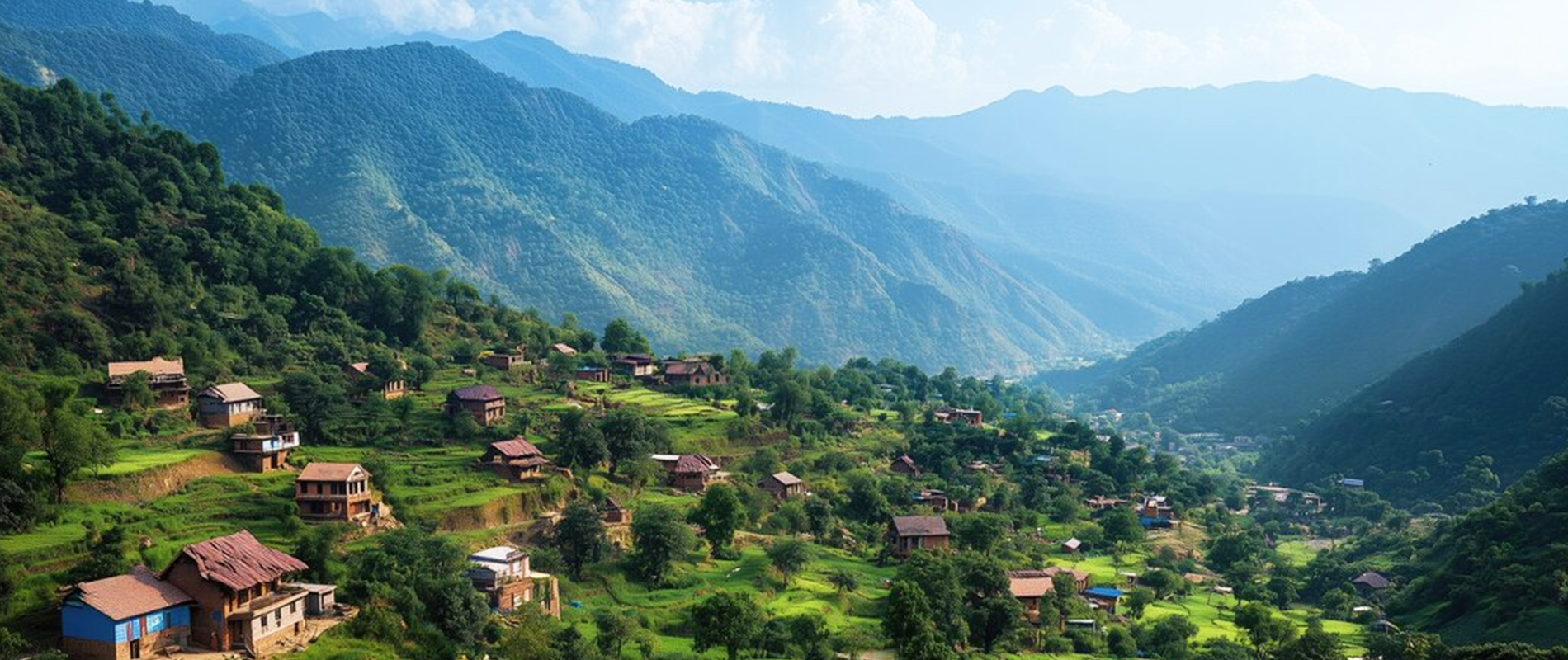
Tungnath‑Chandrashila Trek: This trek in Uttarakhand blends sacred stops with a stunning mountain cityscape. You’ll walk through green meadows and forests to reach Tungnath Temple—the world’s highest Shiva shrine—and continue up to Chandrashila Peak for sweeping views.
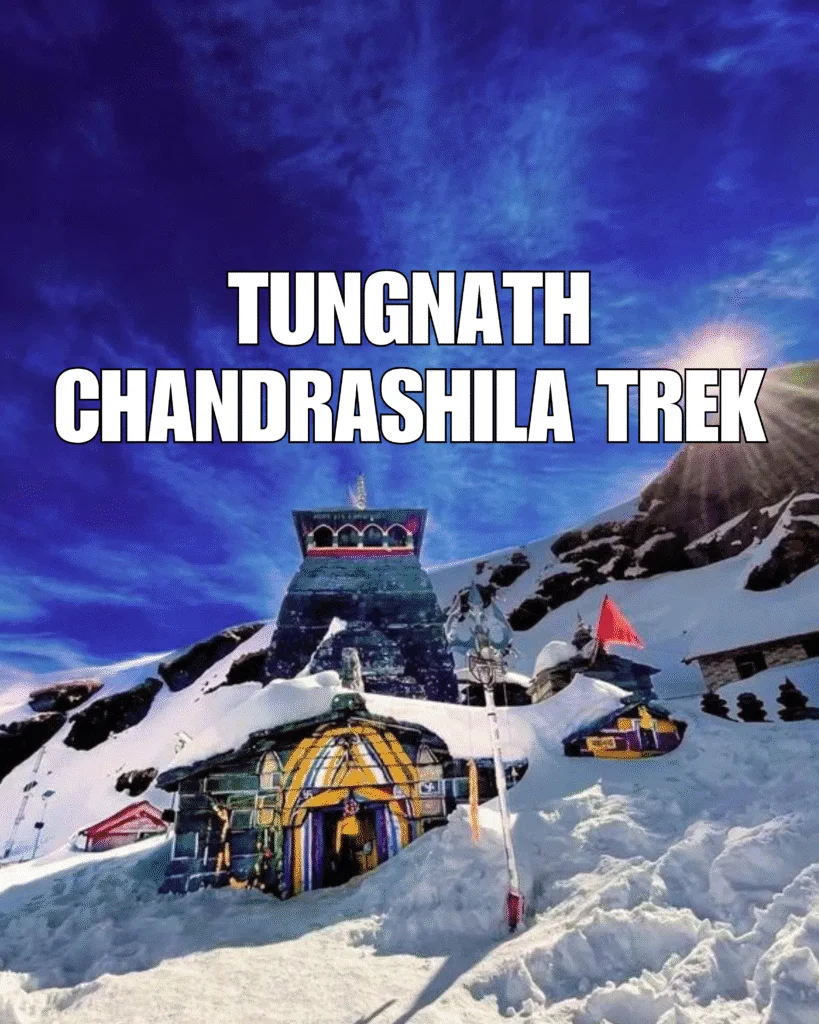
Nestled in the Garhwal region of Uttarakhand, the Tungnath-Chandrashila trek offers a rare mix of natural beauty, spiritual heritage, and accessible adventure. Whether you're an avid hiker or a weekend traveler seeking a refreshing mountain escape, this short yet fulfilling trek is an ideal introduction to the Himalayas. Starting Point: Chopta – The Base of the Trek The journey begins in Chopta, a peaceful village surrounded by dense forests and meadows, located at an altitude of around 8,700 feet. Often called the “Mini Switzerland” of India, Chopta serves as the starting point for the trek and is known for its clean air, panoramic views, and quiet charm. The trek from Chopta to Tungnath Temple is about 3.5 kilometers. The trail is well-marked and paved for most of the way, making it suitable for beginners. As you walk through forests of rhododendron and oak, the air grows cooler and the scenery more dramatic. In spring, rhododendron trees bloom with bright red and pink flowers, while winter covers the path in snow, offering a different kind of beauty. Tungnath Temple – Spiritual Serenity at 12,000 Feet At 12,073 feet, Tungnath is the highest Shiva temple in the world and one of the five Panch Kedar shrines. Despite its high altitude, the temple is modest and peaceful, with a quiet presence that reflects centuries of devotion. It’s a place where the natural and spiritual come together — not in a grand, flashy way, but through stillness and simplicity. Even if you’re not religious, the atmosphere at Tungnath is calming. It invites you to pause, take a deep breath, and soak in the landscape. Most trekkers stop here briefly before continuing on to Chandrashila, the summit point. Final Ascent to Chandrashila Summit From Tungnath, the trail climbs steeply for about 1.5 kilometers to reach Chandrashila, which sits at around 13,000 feet. This part of the trek is more challenging due to the incline and, in colder months, snow-covered paths. But the reward at the top makes it well worth the effort. On a clear day, the 360-degree view from Chandrashila is breathtaking. You can see towering Himalayan peaks like Nanda Devi, Trishul, Kedarnath, and Chaukhamba lined up against the sky. Sunrise here is especially stunning — the early morning light paints the mountains gold, and for a few moments, everything feels still and infinite. When to Visit & What to Expect The best time to visit the Tungnath-Chandrashila trek depends on what you're looking for: Spring (March–May): Rhododendron blooms and clear weather. Summer (June): Pleasant temperatures and green landscapes. Autumn (September–November): Crisp skies and fewer crowds. Winter (December–February): Snow-covered trails and a quiet, magical atmosphere (suitable only for well-prepared trekkers). The entire trek can be done in a day, though many prefer to spend a night in Chopta or nearby villages like Duggalbitta or Sari. Accommodations range from homestays and basic lodges to camping options. The region remains relatively undeveloped, which adds to its appeal — don’t expect luxury, but do expect warmth, simplicity, and stunning views. The Tungnath-Chandrashila trek stands out not because it’s the highest or hardest, but because it strikes a perfect balance. In just a few kilometers, it offers deep forests, ancient temples, snowy peaks, and soul-stirring views. It’s an ideal trek for those looking to step into the Himalayas without committing to a long expedition. Whether you're there for the sunrise from Chandrashila, the quiet moments at Tungnath, or simply the joy of walking through Himalayan trails, this trek promises something genuine. It’s not just a hike — it’s a brief, beautiful journey into nature and stillness. Tips & Essentials Fitness: Moderate. The trek is short, but altitude can be tiring. Stay hydrated and pace yourself to avoid altitude effects Gear: In summer/autumn, carry warm layers and trekking shoes. For winter, add crampons or shoe chains (rentable in Chopta for ₹300‑400) Facilities: Basic dhabas at Tungnath open seasonally; more options in Chopta. ATMs are found only in bigger towns like Gopeshwar Best light: Catch sunrise from Chandrashila for jaw‑dropping views. Peak visibility is usually before noon . Connectivity: Limited mobile network, which helps you disconnect and focus on the experience. Guides: Not essential, but local guides can enhance the experience. Top Places to Visit in the Trip Tungnath Temple (≈ 3,680 m): A well known as the world’s highest Shiva temple and part of the Panch Kedar circuit situated at approximately 12,000 feet and is revered for its spiritual ambiance and stunning mountain views. Chandrashila Peak (~ 4,000 m): Just 1.5 km beyond the temple, this summit offers 360° panoramas, with sunrise views of Nanda Devi, Trishul, Chaukhamba, and more Chopta: The trekhead and “Mini‑Switzerland” at ~2,700 m—meadows, pine, rhododendron, and wildlife make it a peaceful base Deoria Tal: A high‑altitude lake reflecting the Chaukhamba peaks—ideal for camping and quiet reflection Ukhimath: A spiritual stop en route—this town houses idols of Kedarnath and Madhyamaheshwar during winter, offering a glimpse into local rituals. Kanchula Korak Sanctuary: Near Chopta, this preserve is home to musk deer and birds—great for small wildlife excursions. Rohini Bugyal: A lush meadow in the Chopta Valley—golden in spring and perfect for camping under the open skies.
 (1).jpg)
 (1).jpg)