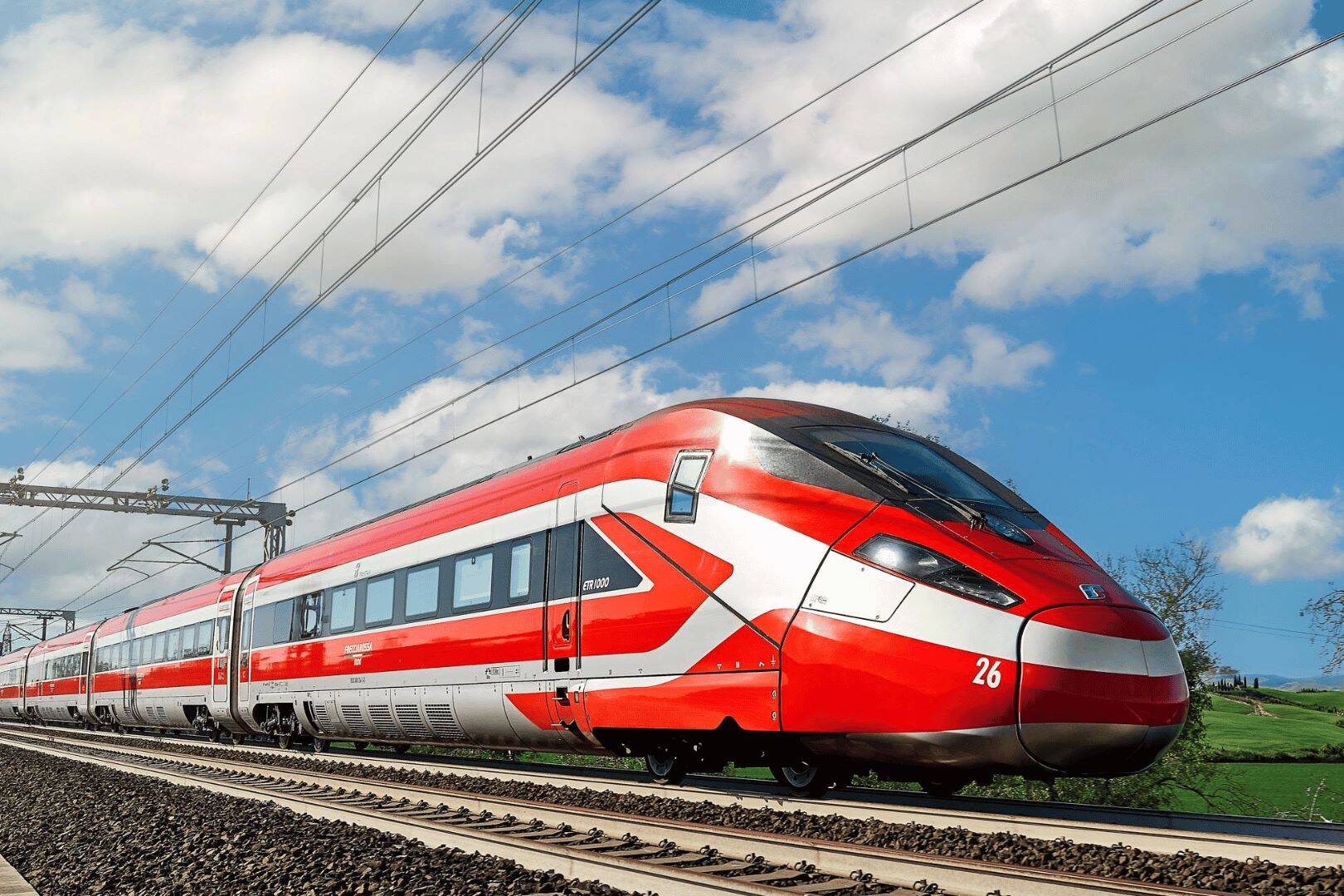
Paris to Lyon, Europe
Parisand Lyon are two of the most important cities in France, a country in Western Europe known for its rich culture, history, cuisine, fashion, and art. France Overview Capital: Paris Official Language: French Currency: Euro (€) Government: Republic Famous For: Eiffel Tower, wine and cheese, French Riviera, world-class cuisine, fashion, and museums like the Louvre. Paris Parisis the capital city of France and one of the most visited cities in the world. Famous Landmarks: Eiffel Tower, Louvre Museum, Notre-Dame Cathedral, Sacré-Cœur. Nicknamed: "The City of Light" (La Ville Lumière). Known For: Art, fashion, gastronomy, culture, and romantic atmosphere. River: Seine River runs through the city. Lyon Lyonis the third-largest city in France and is located in the Auvergne-Rhône-Alpes region in southeastern France. Famous For: Gastronomy (often considered the food capital of France), silk industry, Renaissance architecture. UNESCO Site: Its old town (Vieux Lyon) is a UNESCO World Heritage Site. Cultural Events: Fête des Lumières (Festival of Lights). Location: Lies at the junction of the Rhône and Saône rivers. Travel Between Paris and Lyon Distance: ~460 km (about 286 miles). Train: High-speed TGV trains take around 2 hours. By Car: Takes around 4.5 to 5 hours. Air Travel: Short flight, but train is often more convenient. Frecciarossa(meaning "Red Arrow") is the high-speed train service operated by Trenitalia, Italy’s national railway company. It’s known for speed, comfort, and efficiency, connecting major cities across Italy—and now even international destinations like France. Key Features of Frecciarossa Trains Top Speed: Up to 300–360 km/h (186–224 mph). Classes: Standard– Comfortable, affordable. Premium– More legroom, complimentary drink/snack. Business– Spacious seats, quieter cars, welcome service. Executive– Luxury seating, full meal service, lounge access. Wi-Fi: Available on board. Power Outlets: At every seat. Onboard Bar/Bistro: Snacks, meals, coffee, drinks. Silent Coach: Available for those who prefer a quiet ride.
Traveling from Paris to Lyon by Trenitalia’s Frecciarossa high-speed train offers one of the most convenient, comfortable, and scenic ways to explore two of France’s most iconic cities. This route showcases the best of modern transportation, with Italian efficiency and design running through the heart of France. Paris – The Capital of Romance and Culture Paris, the capital of France, is a globally recognized hub of art, fashion, cuisine, and history. It is home to world-famous landmarks such as the Eiffel Tower, Louvre Museum, Notre-Dame Cathedral, and the elegant Champs-Élysées. Beyond the monuments, Paris charms travelers with its café culture, street life, and timeless beauty along the Seine River. Lyon – The Culinary Heart of France Lyon, France’s third-largest city, is often regarded as the gastronomic capital of the country. Located at the meeting point of the Rhône and Saône rivers, Lyon is famous for its Renaissance architecture, silk-weaving heritage, and UNESCO-listed Old Town (Vieux Lyon). It offers a more relaxed atmosphere compared to Paris, but no less charm. The city is especially renowned for its bouchons—traditional Lyonnaise restaurants serving hearty local dishes. Parisand Lyon are two of the most important cities in France, a country in Western Europe known for its rich culture, history, cuisine, fashion, and art. Lyon Lyonis the third-largest city in France and is located in the Auvergne-Rhône-Alpes region in southeastern France. Famous For: Gastronomy (often considered the food capital of France), silk industry, Renaissance architecture. UNESCO Site: Its old town (Vieux Lyon) is a UNESCO World Heritage Site. Cultural Events: Fête des Lumières (Festival of Lights). Location: Lies at the junction of the Rhône and Saône rivers. Travel Between Paris and Lyon Distance: ~460 km (about 286 miles). Train: High-speed TGV trains take around 2 hours. By Car: Takes around 4.5 to 5 hours. Air Travel: Short flight, but train is often more convenient
.jpg)


