London
London
Europe
EUROPE
Yes
22
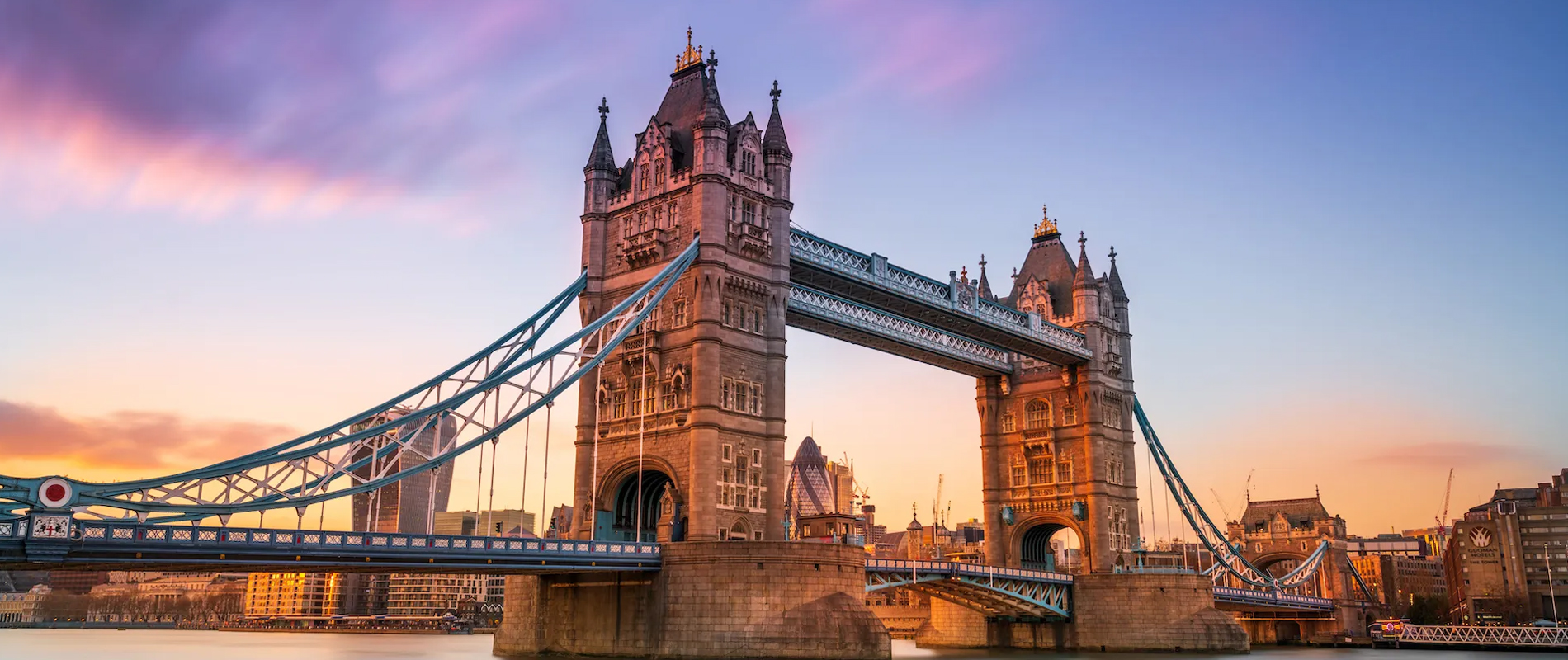
London, the capital of the United Kingdom, is a dynamic city that skillfully combines modernity, culture, and history. Everyone can find something to enjoy in this city, from its famous landmarks to its varied neighborhoods. This essay will take you on an engrossing tour through London's numerous facets, revealing its rich history, cultural treasures, and distinct appeal. This city is a veritable gold mine of experiences, where contemporary fashions and centuries of history coexist peacefully. Discovering its varied districts, historical landmarks, cultural establishments, and gastronomic treats provides a singular and captivating experience that lingers long after you've departed. The London post town, where "LONDON" appears in postal addresses, makes up about 40% of Greater London. Greater London is approximately the same size as the London telephone area code (020). Some outside districts are included in this area, while others are just beyond its borders. Interestingly, parts of the M25 motorway coincide with the Greater London boundaries. In 2019, London's gross regional product was £503 billion, or about 25% of the UK's total GDP.The City, Westminster, Canary Wharf, Camden & Islington, and Lambeth & Southwark are the five main business areas of London. Examining the respective amounts of office space is one method to determine their relative importance: In 2001, there were 27 million square metres of office space in Greater London, whereas the City has the largest amount at 8 million square metres. The cost of real estate in London is among the highest in the world. The Palace of Westminster, which became the permanent home of the royal court and, as a result, the political center of the country, moved the capital of England from Winchester to London in the 12th and 13th centuries. Greater London, also referred to as London, is a territory of England that has been defined in recent years. With fluctuating temperatures all year long, London enjoys a temperate oceanic environment. Records of rainfall go back at least to 1697, demonstrating the city's meteorological trends. While winters are generally cold and stable, summers are typically warm. Concerns have been raised that water shortages may materialize by 2050 because London is vulnerable to climate change. The longer-distance train network that enters London is not under the mayor's financial control, despite transportation being one of the four primary policy areas under his administration. The London Underground, trams, and buses were already within the Mayor of London's jurisdiction, but in 2007 the Mayor took over some local lines that currently make up the London Overground network. Transport for London (TfL) is in charge of managing the public transport system. Among the four global fashion capitals, London is a towering presence that sets trends and dictates fashion. The West End of the city is home to both theater and avant-garde fashion events. Attracting both filmmakers and moviegoers, London is the third-busiest film production hub in the world. There is nothing like London's contribution to the music industry. The city is home to concert halls, orchestras, and large music enterprises. The symphonies of the London Philharmonic Orchestra, London Symphony Orchestra, and others reverberate throughout the Royal Albert Hall, the Barbican Arts Centre, and the Southbank Centre. The main event is the yearly Proms, which honor classical music.
Cape Town
Cape Town
South Africa
AFRICAN
Yes
35
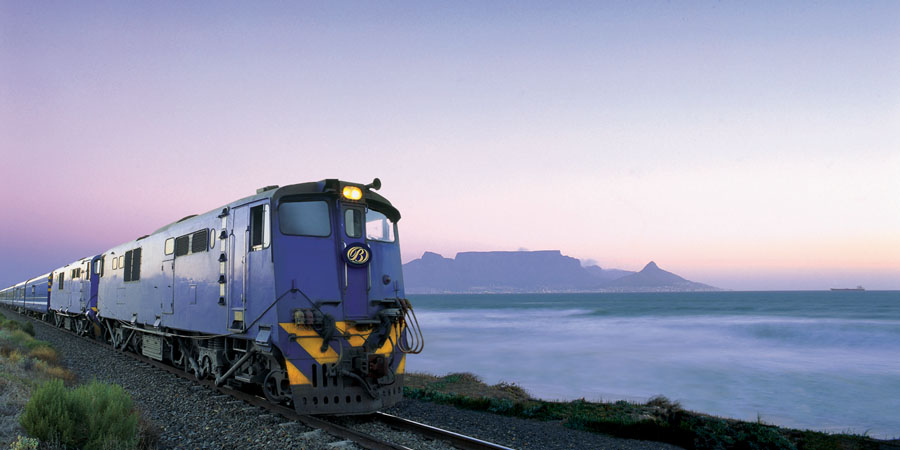
South Africa's legislative capital is Cape Town. It is the oldest city in the nation and the location of the South African Parliament. Cape Town is the largest city in the Western Cape and the second most populous city in the nation, after Johannesburg.The city is a part of the metropolitan municipality known as the City of Cape Town.Table Mountain, Cape Point, the city's harbor, and its natural environment in the Cape Floristic Region are some of its most well-known features. Numerous publications have ranked Cape Town as the world's greatest city and the finest place to go, including Time Out in 2025, The New York Times in 2014, and The Telegraph for the last eight years (2017–2025). With the greatest concentration of Cape Dutch-style buildings worldwide, Cape Town is renowned for its architectural legacy. Constantia, the historic government buildings in the Central Business District, and Long Street are the best examples of the Cape Dutch architectural style, which blends the architectural traditions of the Netherlands, Germany, France, and Indonesia. Mostert's Mill in Mowbray is the only fully operational windmill in South Africa. Constructed in 1796, it underwent restorations in 1935 and 1995. In 2014, the International Council of Societies of Industrial Design declared Cape Town the World Design Capital. Additionally, Cape Town is designated a "Design City" by the Creative Cities Network of UNESCO. Cape Town's biggest performing arts facility is the Artscape Theatre Centre. The 17th-century savory, sweet, spiced beef dish known as bobotie is one of the foods that originated in Cape Town or is associated with it. A sandwich stuffed with slap chips and other toppings, the Gatsby was initially offered in the Athlone area in 1976 and has since come to represent the city.A classic Cape Malay dessert, the koe'sister is characterized as a cake-like dumpling flavored with cinnamon and topped with a dusting of desiccated coconut. Table Mountain's mass and the chilly Benguela Current of the South Atlantic Ocean both locally alter Cape Town's Mediterranean climate. While the average high temperature is 70°F (21°C) in January and February and the average low temperature is 55°F (13°C) in July, the coast and mountain slopes experience colder weather. Freezing rarely happens. Rainfall occurs on 69 days of the year on average; the southern winter months of June through August account for roughly half of the 26 inches (660 millimeters) of yearly rainfall. Every year, almost five million tons of goods pass through the port of Cape Town. Although ships with a draft of more than 40 feet are not permitted to enter the port during low tide, interoceanic commerce benefits greatly from its dry dock and maintenance facilities. Container traffic is accommodated at the Ben Schoeman Dock.


 (1).jpg)
.jpg)

.jpg)


.jpg)