Batanes, Cagayan Valley - Philippines, Philippines

Batanes, Cagayan Valley - Philippines, Philippines

Batanes, Cagayan Valley - Philippines, Philippines

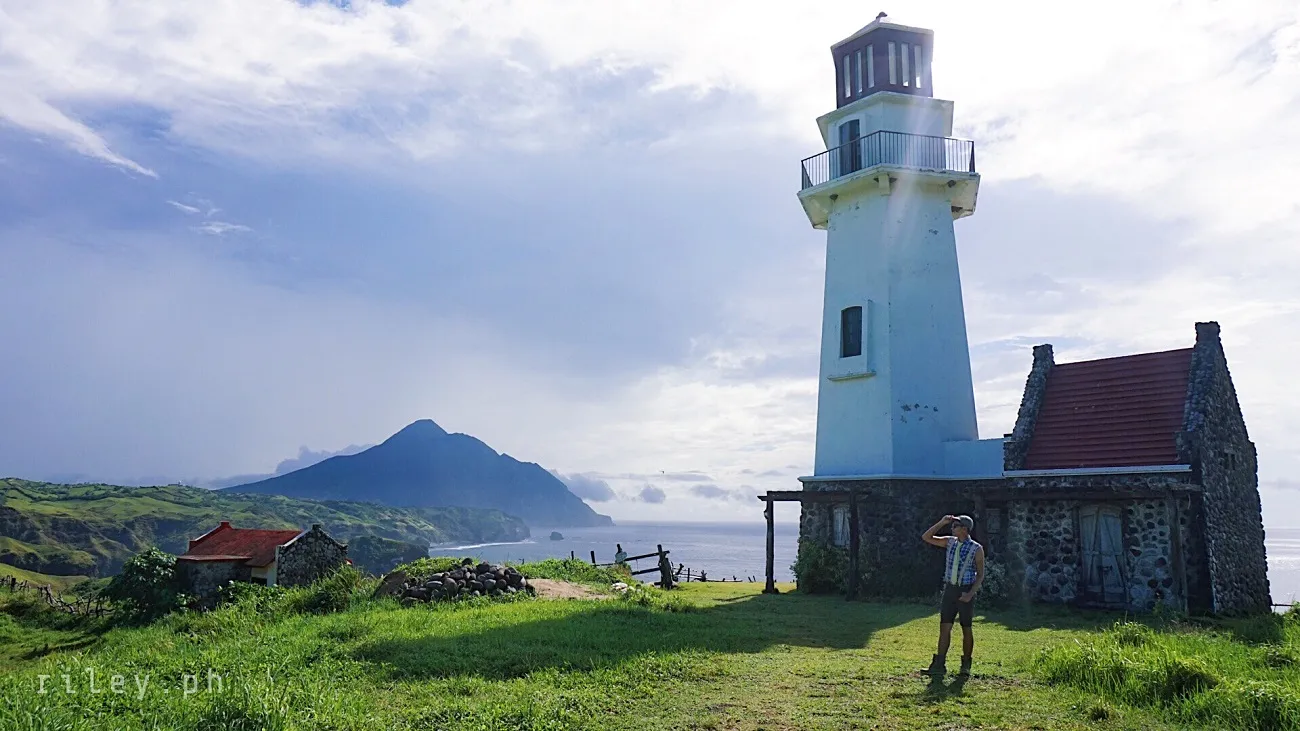
Nestled near the northernmost extremity of Philippine territory is the Batanes group of islands. It is renowned for having a clean environment and beautiful waterways and scenery. Batanes is also known for the distinctive culture of the Ivatans, who were the first people to settle on the islands.

The island group is located about 190 kilometers (120 miles) south of Taiwan and 162 kilometers (101 miles) north of Luzon. It is separated from Taiwan by the Bashi Channel and from the Babuyan Islands of Cagayan Province, Luzon, by the Balintang Channel. Mountains and slopes surround a section of Batanes. The north and southeast of Batan Island, which has a land area of 35 square kilometers (14 sq mi), are often rocky. Its interior is a bowl. With a total area of 95 square kilometers (37 square miles), Itbayat Island slopes gradually westward and is rocky and uneven along its eastern, northern coast. The main portion of Sabtang's 41 square kilometers (16 sq mi) of land is covered by mountains, which causes the island to slope outward toward the coast. Since Batanes is a kind of solo and adverture location, so you need to bring your own medications, sturdy hiking boots, and ATM cards (PNB and Landbank ATMs in Basco accept Bancnet/Megalink and Expressnet cards) and other essentials like Lip balm, sunglasses, and sunblock, repellent for insects and mosquitoes. Clothing for cold or rainy weather (when you visit between December and February) March through June, just outside of the typhoon season and with more sunshine, is the ideal time of year to visit Batanes. Batanes Province's Top Attractions Marlboro Hills. Points of Interest & Landmarks. By Vacationer79670 Vayang Rolling Hills. Mountains. By maila_ani Sabtang Beach. Beaches. By sarah_alzona Naidi Hills. Geologic Formations Morong Beach. Beaches Mount Matarem. Mountains Mt Iraya. Mountains    

Destination FAQ

Before planning your trip, consider the best time to visit, your preferred travel experiences, transportation options, accommodation, budget, and the amount of time you have available. Checking local travel information in advance can also help you plan a smoother journey.
The best time depends on the destination and the type of experience you are looking for. Weather, local events, seasonal attractions, and travel costs can all vary throughout the year, so it is useful to check seasonal conditions before planning your trip.
The ideal duration depends on the size of the destination and the experiences you want to include. A short trip may cover the major highlights, while a longer stay gives you more time to explore local attractions, culture, food, and nearby places at a relaxed pace.
Most destinations offer a mix of sightseeing, local experiences, food, culture, shopping, nature, and activities. The best things to do depend on your interests, travel style, and the amount of time available during your trip.
Planning in advance can make your trip more convenient, especially during busy travel periods. Booking accommodation and transportation early can give you more choices, while a basic itinerary helps you make better use of your time without planning every moment of the trip.
The right accommodation depends on your budget, location preference, trip duration, and travel companions. Hotels, resorts, guesthouses, hostels, and vacation rentals can all be suitable depending on the type of experience and comfort level you prefer.
Transportation options vary by destination and may include public transport, taxis, rental cars, private transfers, bicycles, or walking. Choosing the right option depends on the distance between attractions, local transport availability, and your preferred travel style.
Your packing list should depend on the destination, season, planned activities, and length of your trip. Comfortable clothing, suitable footwear, travel documents, personal essentials, and any destination-specific items are generally worth preparing before you leave.
Start by identifying the experiences that matter most to you and build your itinerary around them. Leave some flexibility for discovering local places, trying regional food, and enjoying unexpected experiences instead of filling every part of your schedule.
Check current travel requirements, weather conditions, transportation, accommodation availability, local customs, important travel documents, and any health or safety information relevant to your trip. Reviewing these details before departure can help you travel with greater confidence.