Kasol Himachal Pradesh
Kasol Himachal Pradesh
India
ASIA
Yes
18
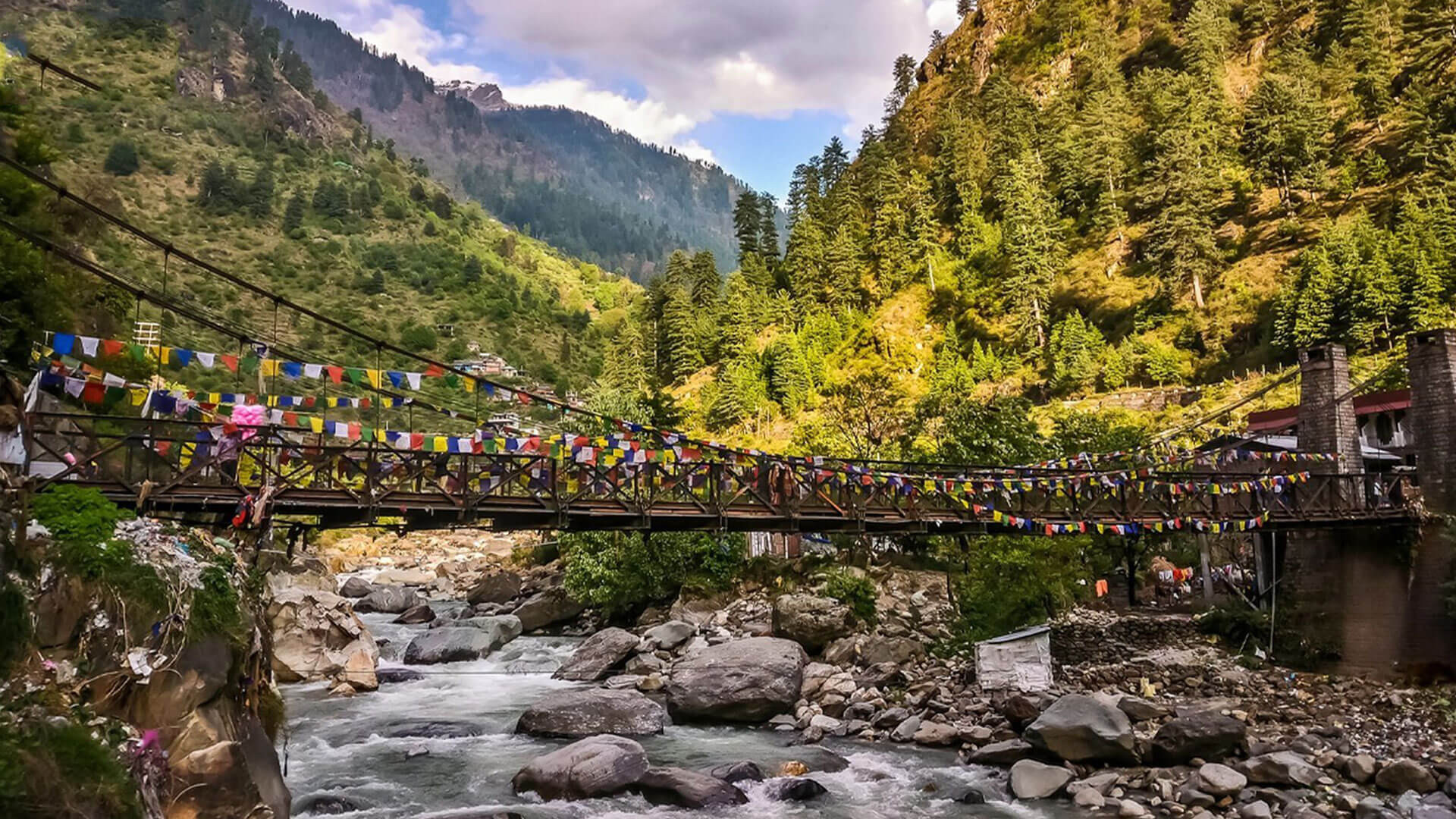
The Indian state of Himachal Pradesh contains the hamlet of Kasol in the Kullu district. It is located between Bhuntar and Manikaran in the Parvati Valley, on the banks of the Parvati River. It is situated 36 km (22 mi) from Kullu town, the district center, 3.5 km from Manikaran, and 30 km (19 mi) from Bhuntar. Backpackers love Kasol, which serves as a starting point for the neighboring hikes to Malana and Kheerganga.Because of the large number of Israeli visitors, it is known as Mini Israel of India. The nearest airport to Bhuntar is Kullu-Manali Airport (IATA: KUU, ICAO: VIBR), which is roughly 31 kilometers away. Cities like Delhi, Shimla, Kolkata, and others are connected by it. The closest train station is Joginder Nagar, which is roughly 144 kilometers away. Additionally, Kasol is 260 kilometers from Chandigarh Airport (IXC). In addition to receiving a decent amount of snowfall from late December to February, Kasol has pleasant weather for a number of months of the year. Its climate is classified as humid subtropical by the Köppen-Geiger climate classification system. Kasol is a charming tiny town on the banks of the Parvati River in Himachal Pradesh, India. It's frequently called the 'Amsterdam of India' and is quickly becoming a well-known destination for hikers, travelers, and environment enthusiasts. Overall, the town's culture is a blend of Indian, Himachali, Israeli, and hippie. Trekking paths, snow-capped peaks, rivers, thick woods, picturesque vistas, and nice weather are just a few of the many natural and adventurous attractions that Kasol has to offer. Kasol is well-known for its hiking routes and is a popular destination for treks to Yanker Pass, Sar Pass, Pin Parbati Pass, and Kheerganga. Visit the village of Malana to get a true sense of the culture in this area. Malana is a little hamlet a few kilometers from Kasol where residents live in self-imposed seclusion. However, the settlement, which is frequently referred to as "Little Greece," boasts many picturesque attractions.
Maasai Mara Africa
Maasai Mara Africa
Africa
AFRICAN
Yes
38
Maasai Mara, frequently spelled Masai Mara, and referred to locals as just "The Mara," is a sizable national game reserve in Kenya's Narok County that borders Tanzania's Serengeti National Park. The Maasai people, the region's original occupants who came from the Nile Basin, are honored by the name. From a distance, their description of the region is as follows: "Mara" means "spotted" in the Maa language due to the short, bushy trees that are scattered throughout the terrain. With its populations of lions, leopards, cheetahs, and African bush elephants, the Maasai Mara is one of Africa's wilderness and wildlife protection areas. In addition, it is home to the Great Migration, which has earned it a spot among the ten Wonders of the World and the Seven Natural Wonders of Africa. Depending on the weather, the Great Migration often takes place in July when a huge number of wildebeest migrate from Tanzania across the Mara River. The Maasai Mara National Reserve, the Mara Triangle, a number of Maasai group ranches, and Maasai Mara conservancies are all included in the Greater Mara ecosystem. The Masai Mara, sometimes referred to as "the world's eight world wonders" or one of the most well-known wildlife places in the world, is home to an abundance of species, breathtaking views, and unending plains.The Masai Mara National Reserve, an unfenced reserve with unrestricted wildlife movement, and a number of conservancies comprise the Greater Masai Mara area. Maasai families privately own these parcels of land. The Maasai families who lease their property to safari lodges have the opportunity to use the money they make from the conservancies to fund development or education projects in their communities. The Masai Mara was called in honour of the Maasai people, the traditional residents of the area. 'Mara' means'spotted' in Maasai (Maa) dialect. It won't be difficult to comprehend how the Masai Mara gained its name after visiting. The terrain does appear somewhat'spotted' due to the small, bushy trees that dot it. The environment of the Greater Masai Mara is enormous. It is almost 1510 square kilometers in size. The Serengeti National Park in Tanzania is adjacent to the Maasai Mara, a sizable game reserve in Narok County, Kenya. It is named after the Maasai people, who were the original occupants of the region, and how they described it from a distance: "Mara" means "spotted" in the Maasai language, referring to the numerous trees, plants, cloud shadows, and animals that dotted the terrain.


 (1).jpg)

.jpg)

.jpg)


.jpg)