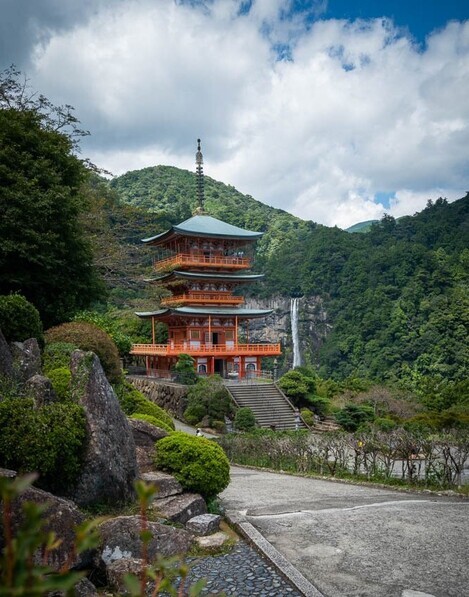
Planning a Kumano Kodo Trek? What to Know About This Travel Spot, Japan
Tucked into the forested mountains of Japan’s Kii Peninsula, the Kumano Kodo is a network of ancient pilgrimage routes that have been walked for over a thousand years.
The Kumano Kodo is a network of old walking trails in Japan’s Kii Peninsula. For over a thousand years, people have walked these paths to visit three sacred shrines: Hongu, Nachi, and Hayatama. It’s not just a hike—it’s a way to step into Japan’s past, moving through quiet forests, small villages, and mountain paths once used by emperors and monks. Is this treking Destination place ? Yes, Kumano Kodo is a trekking destination—but it’s not like rugged mountain climbing or extreme hiking. Once used by emperors and monks seeking spiritual peace, today these trails offer a quiet, meaningful way to explore Japan’s natural and cultural landscape. It’s a network of well-marked walking trails through forests, mountains, and small villages in Japan’s Kii Peninsula. Some sections are gentle and short, suitable for casual walkers. Others are steeper and longer, more suitable for people with hiking experience. Most of the paths are maintained and walkable, though some can be muddy or uneven, especially after rain. You don’t need technical gear or climbing skills—just good walking shoes, basic fitness, and a willingness to take your time. So yes, it’s a real trekking route, but it’s more peaceful and reflective than extreme. Think of it as a cultural and nature walk rather than an intense physical challenge. A Glimpse into History The Kumano Kodo was once a spiritual path leading to the three Grand Shrines of Kumano: Hongu Taisha, Nachi Taisha, and Hayatama Taisha. Pilgrims walked these routes to purify their minds and bodies, surrounded by cedar forests, rivers, and remote villages. Recognized as a UNESCO World Heritage Site, it is one of only two pilgrimage routes in the world with this status—the other being Spain’s Camino de Santiago. Best Time to Go The best times to walk are spring and autumn. Spring brings mild weather and blossoms. Autumn is cooler, with changing leaves. Summer can be hot and humid, and winter is cold, though some trails stay open. Places Nearby Worth Seeing Nachi Falls and Nachi Shrine – A tall waterfall beside a peaceful shrine. Yunomine Onsen – A small hot spring town where you can soak tired legs. Kawayu Onsen – You can dig your own bath in the riverside gravel here. Shingu – A quiet town with one of the main shrines and a good spot to stay. Tanabe – Often the starting point for many walkers, with places to sleep and eat. This walk isn’t about rushing. Walking the Kumano Kodo is a wonderful way to enjoy a leisurely experience rather than just checking off sights. It’s about embracing the moment, soaking up the beauty of being outdoors, and walking a trail that has been loved for centuries. If you enjoy walking, exploring forests, and savoring peaceful, simple travel—Kumano Kodo is a fantastic destination to consider.
 (1).jpg)
 (1).jpg)
.jpg)
.jpg)
 (1).jpg)
 (1).jpg)
.jpg)
.jpg)

.jpg)






