Paris - Rome, Europe

Paris - Rome, Europe

Paris - Rome, Europe

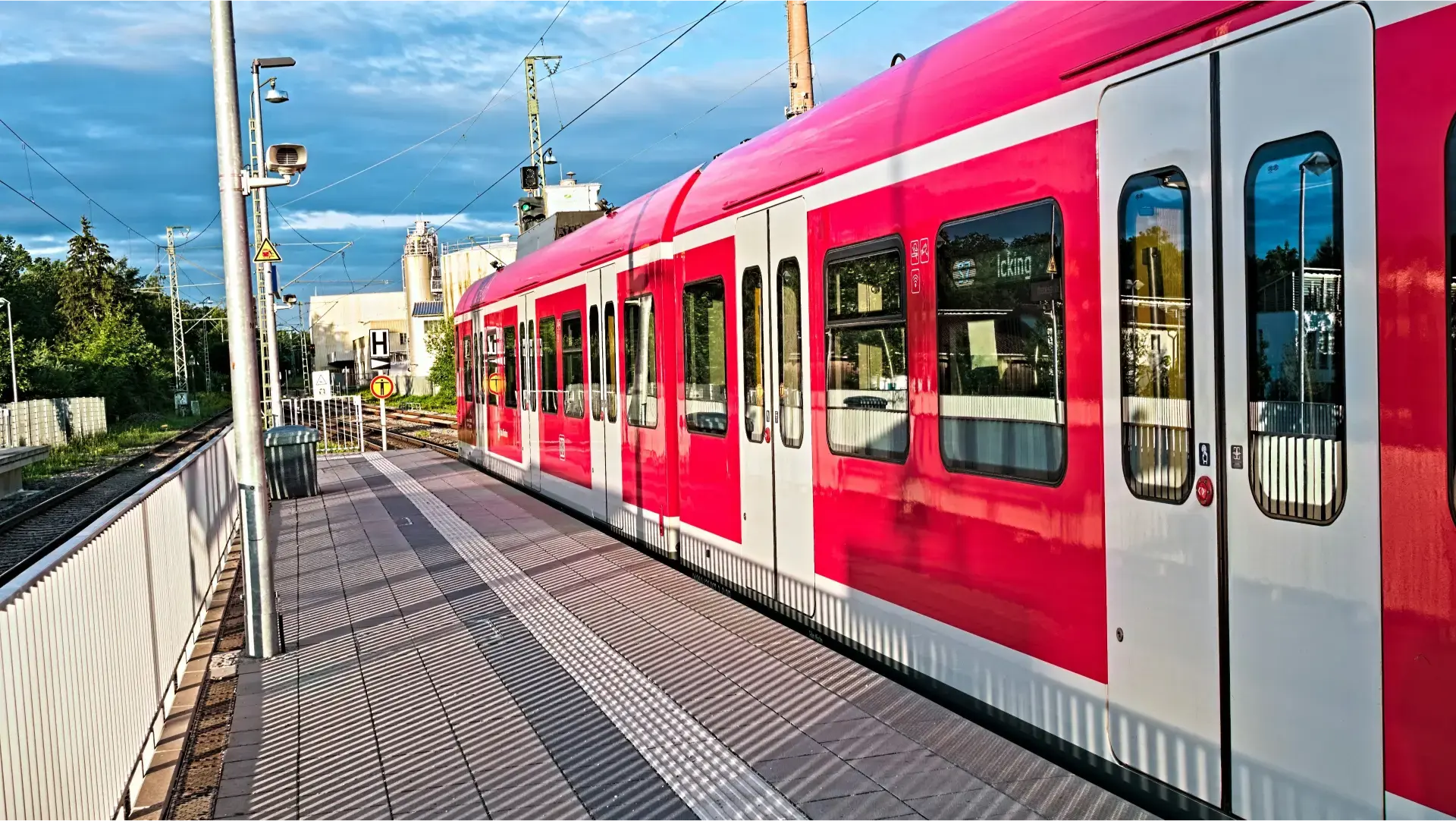
The French capital, Paris, is frequently referred to as the "City of Light" due to its extensive history, artistic creations, and romanticism. It is a global center of fashion, food, and culture and is well-known for famous structures including the Eiffel Tower, the Louvre Museum, and Notre-Dame Cathedral. Paris combines elegance and classic beauty, whether you choose to stroll along the Seine River, enjoy coffee at quaint cafés, or explore the creative neighborhoods of Montmartre. Train Travel from Paris to Rome: An Enchanting European Adventure A traditional European journey that transports you from the charming appeal of France to the historic center of Italy is taking the train from Paris to Rome. Depending on connections, the trip usually takes 10 to 14 hours and covers about 1,100 km (684 miles). Travel via Milan or Turin, combining high-speed TGV or Frecciarossa trains. The route offers breathtaking views, especially as you pass through the French Alps and into northern Italy. While there’s no direct train, the connections are smooth and comfortable, making it a great alternative to flying — eco-friendly, relaxing, and scenic.  

One of the most elegant and cozy methods to travel between France and Italy is by train from Paris to Milan. Relaxing aboard a high-speed train, you will travel through picturesque alpine towns, historic cities, and stunning mountain vistas. Starting Point:Paris Gare de Lyon (France) Ending Point:Milano Centrale (Italy) Distance:~850 km (530 miles) Duration:~7 hours (direct) or ~8–10 hours (with stopovers) Timings & Frequency Direct Trains:3–5 departures daily Fastest Travel Time:~6 hours 45 minutes First Train:~6:30 AM from Paris Last Train:~3:30 PM or 5:30 PM (varies) Stopover Options:Lyon, Chambéry, Turin Trains Available: TGV INOUI(French high-speed train) Frecciarossa(Italian high-speed train) Trenitalia & SNCF partnerships    

Destination FAQ

Before planning your trip, consider the best time to visit, your preferred travel experiences, transportation options, accommodation, budget, and the amount of time you have available. Checking local travel information in advance can also help you plan a smoother journey.
The best time depends on the destination and the type of experience you are looking for. Weather, local events, seasonal attractions, and travel costs can all vary throughout the year, so it is useful to check seasonal conditions before planning your trip.
The ideal duration depends on the size of the destination and the experiences you want to include. A short trip may cover the major highlights, while a longer stay gives you more time to explore local attractions, culture, food, and nearby places at a relaxed pace.
Most destinations offer a mix of sightseeing, local experiences, food, culture, shopping, nature, and activities. The best things to do depend on your interests, travel style, and the amount of time available during your trip.
Planning in advance can make your trip more convenient, especially during busy travel periods. Booking accommodation and transportation early can give you more choices, while a basic itinerary helps you make better use of your time without planning every moment of the trip.
The right accommodation depends on your budget, location preference, trip duration, and travel companions. Hotels, resorts, guesthouses, hostels, and vacation rentals can all be suitable depending on the type of experience and comfort level you prefer.
Transportation options vary by destination and may include public transport, taxis, rental cars, private transfers, bicycles, or walking. Choosing the right option depends on the distance between attractions, local transport availability, and your preferred travel style.
Your packing list should depend on the destination, season, planned activities, and length of your trip. Comfortable clothing, suitable footwear, travel documents, personal essentials, and any destination-specific items are generally worth preparing before you leave.
Start by identifying the experiences that matter most to you and build your itinerary around them. Leave some flexibility for discovering local places, trying regional food, and enjoying unexpected experiences instead of filling every part of your schedule.
Check current travel requirements, weather conditions, transportation, accommodation availability, local customs, important travel documents, and any health or safety information relevant to your trip. Reviewing these details before departure can help you travel with greater confidence.