Wales Europe
Wales Europe
Europe
EUROPE
Yes
19
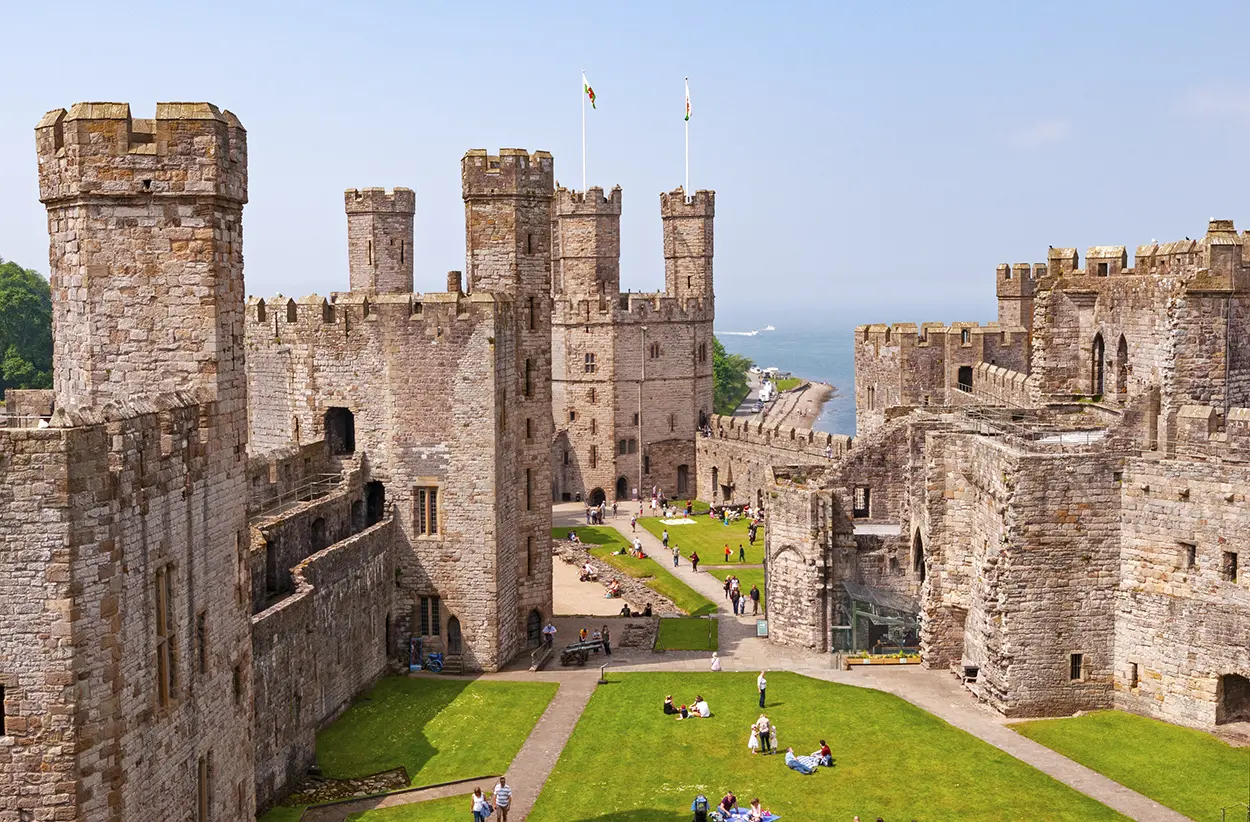
Wales is a part of the United Kingdom, which is an extension of Great Britain to the west. Cardiff serves as both the capital and the primary financial and economic hub. The little country of Wales, which is made up of six different regions, is renowned for its remarkably untamed terrain. It was one of the most important political and cultural hubs of Celtic Europe and has retained elements of its culture that set it apart from its English neighbors. Wales' maritime climate is characterized by erratic changes in Atlantic air masses, which, when paired with the country's wide range of elevations, frequently result in daily variations in local conditions. The nation as a whole receives an average of 55 inches (1,385 mm) of precipitation year, which is both frequent and frequently more than sufficient. No season is particularly rainy or dry; precipitation averages around 4 inches (88 mm) in April and 6 inches (142 mm) in January. In the uplands, where snow or sleet falls around ten days a year, winter snowfall can be substantial. Red kites, European polecats and pine martens, choughs (crowlike birds that breed inland as well as at some coastal places), and other mammals and birds that are rare or extinct elsewhere in Britain can be found in the more isolated areas of Wales. There are many of seabirds and shorebirds, and Cardigan Bay is home to bottlenose dolphins. Over half of Wales's GDP and almost two-thirds of its jobs are in the industries of trade, hotels, restaurants, government (including health and education services), and financial and business services. Cardiff and neighboring cities are home to the majority of services. Wales utilizes the pound sterling and depends on the Bank of England for currency and other financial affairs; it does not have its own central bank or national currency. Wales is home to numerous commercial banks and insurance providers. Wales is known as "the land of song," and its traditional culture is based on oral (and aural) arts such as spoken and written language and vocal music, especially choral singing with intricate harmonies and multiple parts. Welsh folk culture up to the early 18th century included the singing of penillion, or basic vernacular songs, to the triple harp. Efforts have been made to bring the tradition back. Government support for literature, art, music, film, and drama is provided by the Welsh Arts Council. The council sponsors art exhibitions, theater companies and theatres in Welsh and English, regional arts associations, music societies and festivals, especially those involved in commissioning new works, and assists in arranging British and international orchestras' visits of Wales.
Belfast Europe
Belfast Europe
Europe
EUROPE
Yes
23
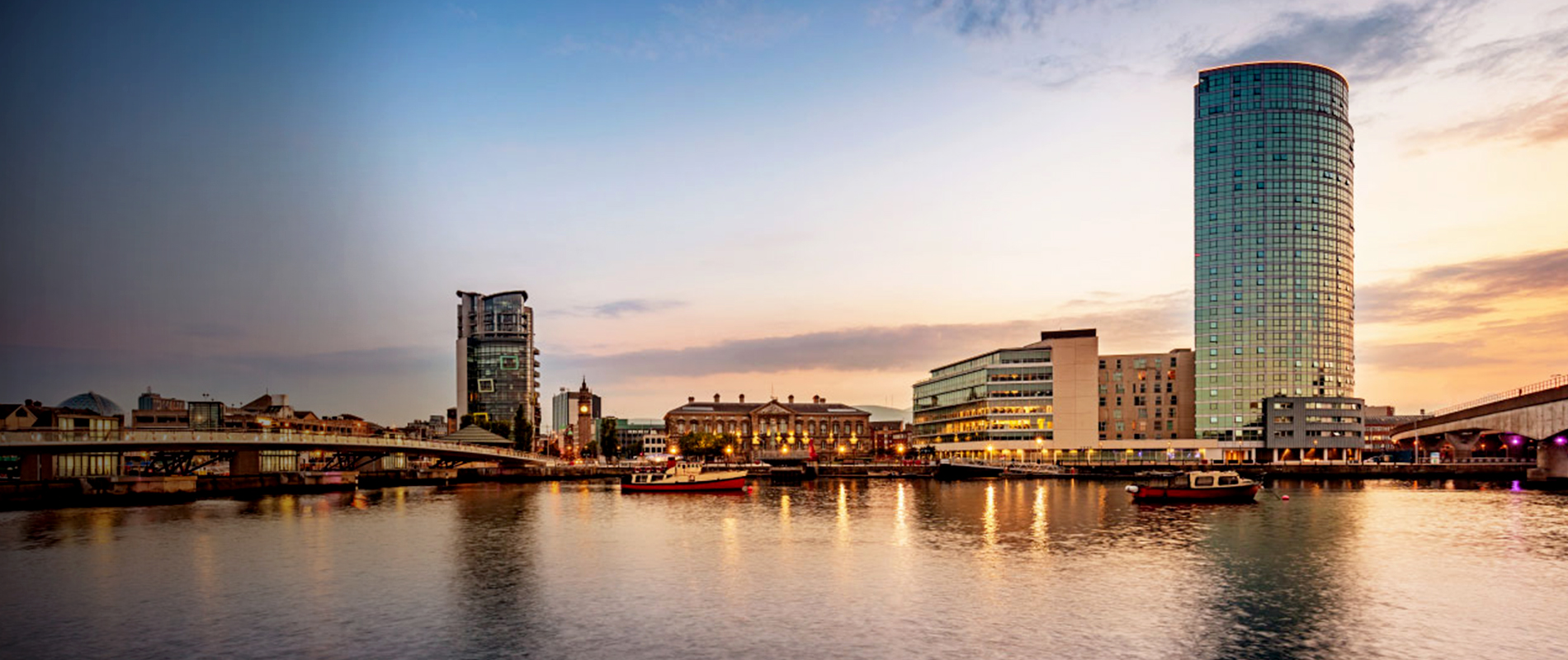
Belfast, the capital and main port of Northern Ireland, is situated on the banks of the Lagan River and is connected to the ocean by the North Channel and Belfast Lough. With a projected population of 348,005 in 2022 and a metropolitan area of 671,559. It is the second-largest city in Ireland, after Dublin. An influx of Scottish Presbyterians propelled the town's early expansion after it was first established as an English hamlet in 1613. The revolt of 1798 and the union with Great Britain in 1800, which is later seen as a crucial factor in the town's industrial change, were both influenced by their descendants' disenchantment with Ireland's Anglican establishment. There were sectarian problems with the Irish Catholic community, which was attracted from western districts by jobs in factories and mills. Increased by disagreements about Ireland's future in the UK, these two times erupted in protracted violence: in 1920–22, when Belfast became the capital of the six northeastern counties that maintained their British ties, and in the late 1960s, when the British Army was constantly present on the streets. The division of Protestant and Catholic working-class communities by barriers is a relic of strife. Belfast's name, Feirste in Irish, alludes to a tidal ford or sandbar.This was created where the river flowed into the Lagan down High Street until it was culverted in the late 18th century. The early settlement sprang up at this crossing, which is beneath or near the present Queen's Bridge. Different transcriptions of regional pronunciations of "Belfast"—such as Bilfawst, Bilfaust, or Baelfawst—that they occasionally find acceptable are used by Ulster-Scots compilers. In addition to one each in Australia, Canada, New Zealand, and South Africa, Belfast has given its name to over a dozen settlements in the United States, the largest of which being Belfast, Maine, as a result of emigration. Belfast saw a sharp increase in industry starting in the 1820s, whereas other Irish towns saw a decline in manufacturing. Following a cotton boom and bust, the town gained the nickname "Linenopolis" for being the world leader in the production of linen items, which mostly involved women and children working in the mill and finishing processes. Heavy industry developed as a result of shipbuilding.Her shipyards were producing up to 25% of the United Kingdom's total tonnage by the 1900s, and they closed one-eighth of the world's production in 1914, just before the Great War.167 This featured the tragic RMS Titanic, the biggest ship in the world when she was launched in 1911, which was built by Harland & Wolff.Mineral waters, tobacco, rope, and textile machinery were among the other important export sectors.

 (1).jpg)

.jpg)

.jpg)


