Viedma to Barilocheby
Viedma to Barilocheby
South America
SOUTH AMERICA
Yes
16
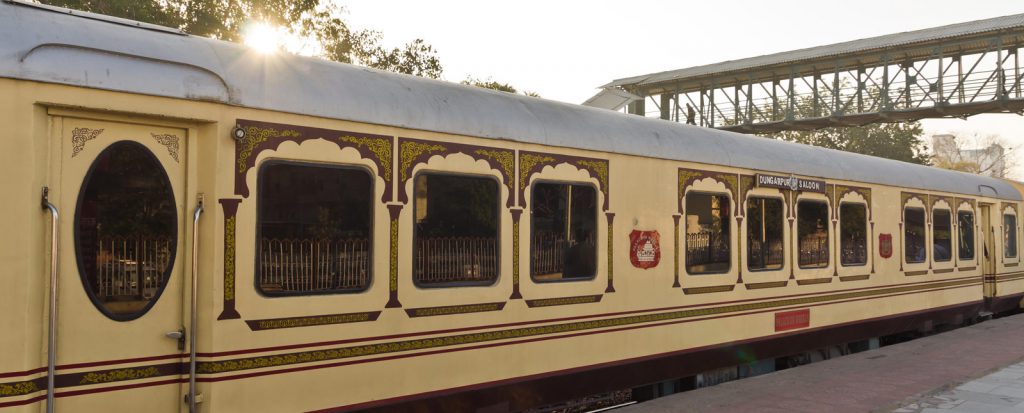
Viedma is a quiet city in southern Argentina, located near the Atlantic Ocean along the Río Negro River. It’s known for its relaxed atmosphere, historical charm, and proximity to nature, including coastal wildlife and scenic beaches. San Carlos de Bariloche, often just called Bariloche, is a picturesque city in the Andes, famous for its beautiful lakes, snow-capped mountains, and chocolate shops. It’s a top destination for skiing, hiking, and nature tourism in Argentina. The Palace on Wheelsis a luxury train operating exclusively in India, offering royal journeys through Rajasthan and other northern regions.It does not operate in Argentina, and therefore cannot be used for travel between Viedmaand Bariloche. Viedma to Bariloche by Train: Tren Patagónico For travel between Viedmaand San Carlos de Bariloche, the Tren Patagónicois the primary rail service: Route: Viedma → San Antonio Oeste → Valcheta → Sierra Colorada → Los Menucos → Maquinchao → Ingeniero Jacobacci → Clemente Onelli → Comallo → Pilcaniyeu → Bariloche Distance: Approximately 700 km (435 miles) Duration: Around 17.5 hours Departure: Typically departs from Viedma on Fridays at 3:00 PM Classes: First Class, Pullman, and Sleeper cabins Fares: Range from approximately $5 to $374, depending on class and booking time
Cairo Africa
Cairo Africa
Cairo
AFRICAN
Yes
38
Cairo isn’t just the capital of Egypt — it’s the pulse of the nation. A city where ancient history meets modern chaos, where the call to prayer rises above the traffic, and where every alley seems to hum with life. Home to over 10 million people, Cairo is one of the biggest and most energetic cities in the Middle East and Africa. It’s a place of contrasts — the timeless Pyramids of Giza just a short drive from bustling markets, rooftop cafés, and shiny new malls. The Greater Cairo Metropolitan Area, with more than 22 million residents, is among the most populated urban regions on Earth. Surrounded by ancient sites like Memphis, Heliopolis, and the Giza Plateau, Cairo is a living bridge between Egypt’s past and its future. The city’s origins trace back to Fustat, Egypt’s first Islamic capital founded in 641 CE, and later to 969 CE, when the Fatimid dynasty created what we now call Cairo. Through centuries — under the Ayyubids, Mamluks, and beyond — the city became Egypt’s heart of architecture, art, and learning.
.jpg)

 (1).jpg)

.jpg)




.jpg)