Paros
Paros
Greece
EUROPE
Yes
18
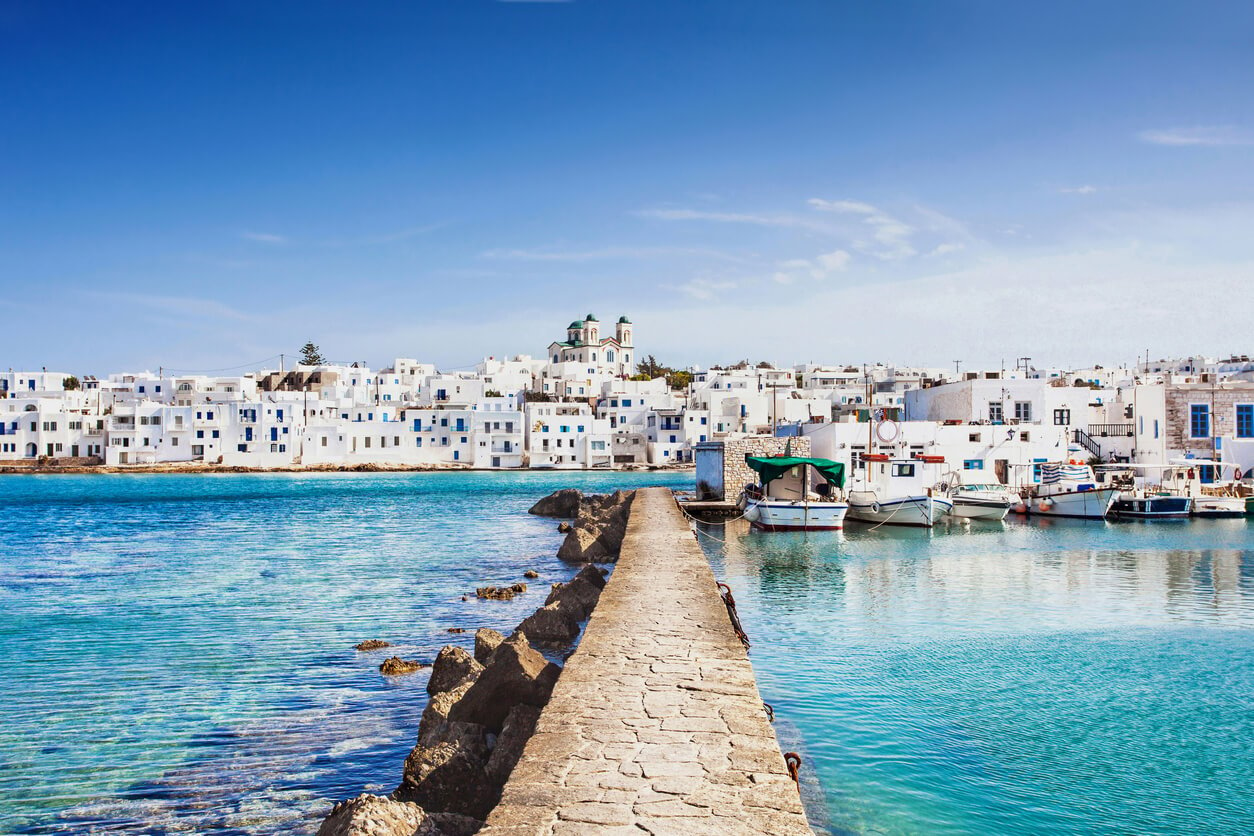
The Greek island of Paros is located in the center of the Aegean Sea. It is located west of Naxos, which is part of the Cyclades island group, and is divided from it by a canal that is roughly 8 kilometers (5 miles) wide. It is roughly 93 miles (150 km) southeast of Piraeus. A total of 196.308 square kilometers (75.795 square miles) of uninhabited offshore islets make up the Municipality of Paros. Southwest of it is the municipality of Antiparos, which is its closest neighbor. The island was home to the city-state of Paros in ancient Greece. Greece's Paros is situated in the center Aegean. Paros is the third largest island in the Cycladic group, with a 118.5-kilometer shoreline. Because of its beauty, architecture, and abundance of breathtaking beaches, this Greek island is among the most well-known. Paros island can be reached by plane (approximately 30 minutes from Athens airport) or ferry (about 4.5 hours from Piraeus port). The friendly locals of Paros are the most memorable feature of the island! Discovering Paros is an unrestrained delight because of the island's unique character and genuineness, which are difficult to obtain elsewhere. Ancient villages, endless marmalade sunsets, sun-drenched hilltop towns, laneways lined with bougainvillaea, boundless golden beaches, and secret coves are just a few of the commonplace Greek island features that make Paros an important stop on every Greek island-hopping itinerary.
Maasai Mara Africa
Maasai Mara Africa
Africa
AFRICAN
Yes
38
Maasai Mara, frequently spelled Masai Mara, and referred to locals as just "The Mara," is a sizable national game reserve in Kenya's Narok County that borders Tanzania's Serengeti National Park. The Maasai people, the region's original occupants who came from the Nile Basin, are honored by the name. From a distance, their description of the region is as follows: "Mara" means "spotted" in the Maa language due to the short, bushy trees that are scattered throughout the terrain. With its populations of lions, leopards, cheetahs, and African bush elephants, the Maasai Mara is one of Africa's wilderness and wildlife protection areas. In addition, it is home to the Great Migration, which has earned it a spot among the ten Wonders of the World and the Seven Natural Wonders of Africa. Depending on the weather, the Great Migration often takes place in July when a huge number of wildebeest migrate from Tanzania across the Mara River. The Maasai Mara National Reserve, the Mara Triangle, a number of Maasai group ranches, and Maasai Mara conservancies are all included in the Greater Mara ecosystem. The Masai Mara, sometimes referred to as "the world's eight world wonders" or one of the most well-known wildlife places in the world, is home to an abundance of species, breathtaking views, and unending plains.The Masai Mara National Reserve, an unfenced reserve with unrestricted wildlife movement, and a number of conservancies comprise the Greater Masai Mara area. Maasai families privately own these parcels of land. The Maasai families who lease their property to safari lodges have the opportunity to use the money they make from the conservancies to fund development or education projects in their communities. The Masai Mara was called in honour of the Maasai people, the traditional residents of the area. 'Mara' means'spotted' in Maasai (Maa) dialect. It won't be difficult to comprehend how the Masai Mara gained its name after visiting. The terrain does appear somewhat'spotted' due to the small, bushy trees that dot it. The environment of the Greater Masai Mara is enormous. It is almost 1510 square kilometers in size. The Serengeti National Park in Tanzania is adjacent to the Maasai Mara, a sizable game reserve in Narok County, Kenya. It is named after the Maasai people, who were the original occupants of the region, and how they described it from a distance: "Mara" means "spotted" in the Maasai language, referring to the numerous trees, plants, cloud shadows, and animals that dotted the terrain.


 (1).jpg)

.jpg)
.jpg)



.jpg)