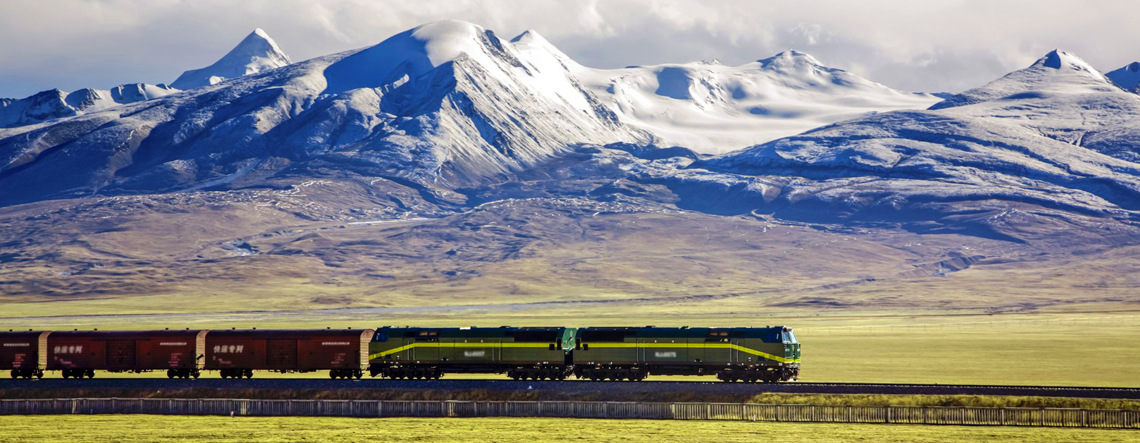
Beijing to Lhasa Train Journey, Asia
Lhasa is the capital city of China's Tibet Autonomous Region, not a nation. Among the most important cities in Tibetan Buddhism in terms of history and culture, it is home to famous sites like: Potala Palace– former residence of the Dalai Lama Jokhang Temple– a sacred pilgrimage site Norbulingka– the summer palace of the Dalai Lamas One of the highest towns in the world, Lhasa is situated on the Tibetan Plateau at an approximate elevation of 3,650 meters (11,975 ft). Beijing is the capital of China, one of the world's most populous and powerful nations, but it is not a nation. Here is a brief summary of Beijing and its importance: Beijing to Lhasa – Country & Context Country:Both Beijing and Lhasa are in China. Beijingis the capital city of the People’s Republic of China. Lhasais the capital of the Tibet Autonomous Region (TAR), which is also part of China. Travel from Beijing to Lhasa By Train: The Qinghai–Tibet Railway connects Beijing and Lhasa. It’s one of the highest altitude train routes in the world. The train ride takes around 40–44 hours, covering ~3,700 km.
One of the most famous and picturesque travel routes in the world, the road from Beijing to Lhasa combines spiritual mysticism, ancient culture, and breathtaking natural beauty. Despite being in China, the two cities depict two vastly distinct worlds inside the same nation. This is a thorough explanation of the route, complete with travel, cultural, and geographic information: Beijing to Lhasa by Train – The Legendary Qinghai-Tibet Railway Basic Information Train Name/Number: Z21 (Beijing to Lhasa) Distance: Approximately 3,757 kilometers (2,335 miles) Duration: Around 40 to 41 hours Frequency: Daily Start Station: Beijing West Railway Station End Station: Lhasa Railway Station Main Stops along the Way: Beijing West Railway Station (Start) Elevation: 44 m Departure: ~8:00 PM Shijiazhuang (Hebei) Major industrial city Taiyuan (Shanxi) Famous for coal mining Zhongwei (Ningxia) Crosses the edge of the Gobi Desert Lanzhou (Gansu) On the banks of the Yellow River Xining (Qinghai) Gateway to the Tibetan Plateau Passengers undergo oxygen adaptation here Delingha / Golmud (Qinghai-Tibet Plateau) From Golmud, the train starts its climb Entry into Qinghai-Tibet Railway Begins oxygen supply system in carriages Tanggula Pass (Tibet) World’s highest railway point: 5,072 m (16,640 ft) Stunning views of the snowy peaks Nagchu (Tibet) Scenic Tibetan landscapes start to dominate Lhasa (Tibet Autonomous Region - End) Elevation: ~3,650 m (11,975 ft) Arrival: ~12:30 PM (on Day 3) Traveling from Beijing to Lhasa by train offers a unique opportunity to experience diverse landscapes across China, culminating in the breathtaking views of the Tibetan Plateau.The journey covers approximately 3,757 kilometers and takes about 40 hours. Train Schedule and Duration: Train Number:Z21 Departure:Beijing West Railway Station at 19:53 Arrival:Lhasa Railway Station at 11:36 on the third day Duration:Approximately 39 hours and 43 minutes Route and Major Stops: The train traverses through eight provinces, making several key stops: Shijiazhuang North Taiyuan Zhongwei Lanzhou Xining Delingha Golmud Nagqu These stops offer glimpses into China's varied terrains and cultures before reaching Lhasa. Ticket Classes and Prices: The train offers three classes of seating: Soft Sleeper:Approximately CNY 1,144 (USD 158) Hard Sleeper:Approximately CNY 720 (USD 99) Hard Seat:Approximately CNY 360 (USD 50) 1. Beijing Highlights: Great Wall of China, Forbidden City, Temple of Heaven, Summer Palace, Hutongs. Tip: Spend 1–2 days before boarding the train to explore the capital. 2. Xian (Optional Stopover) Note: Not a regular stop on Z21, but worth visiting if you're breaking your journey. Highlights: Terracotta Army, Ancient City Wall, Big Wild Goose Pagoda. Tip: If taking a longer overland route (by separate trains), include Xian. 3. Xining (Qinghai Province) This is where the Qinghai-Tibet Railway officially begins. Highlights: Qinghai Lake– China’s largest saltwater lake. Kumbum Monastery (Ta’er Si)– Important Tibetan Buddhist monastery. Dongguan Mosque– Blending Chinese and Islamic architecture. 4. Golmud Gateway to the Tibetan Plateau. Highlights: Kunlun Mountains– Stunning snow-capped scenery seen from the train. Desert and salt flats– Very stark and surreal landscapes. 5. Tanggula Pass (On the Train) Highest railway pass in the world – 5,072 meters (16,640 ft). Highlights: Snow-covered mountains, pure blue sky, yaks grazing. 6. Nagchu (Tibet) A remote highland town. Highlights: Authentic Tibetan atmosphere, vast grasslands. 7. Lhasa (Tibet Autonomous Region) Final destination. The spiritual and cultural heart of Tibet. Highlights: Potala Palace– The iconic former home of the Dalai Lama. Jokhang Temple– Holiest temple in Tibetan Buddhism. Barkhor Street– A spiritual walking circuit and local market. Sera and Drepung Monasteries– Historic centers of Buddhist learning.


