Paros
Paros
Greece
EUROPE
Yes
18
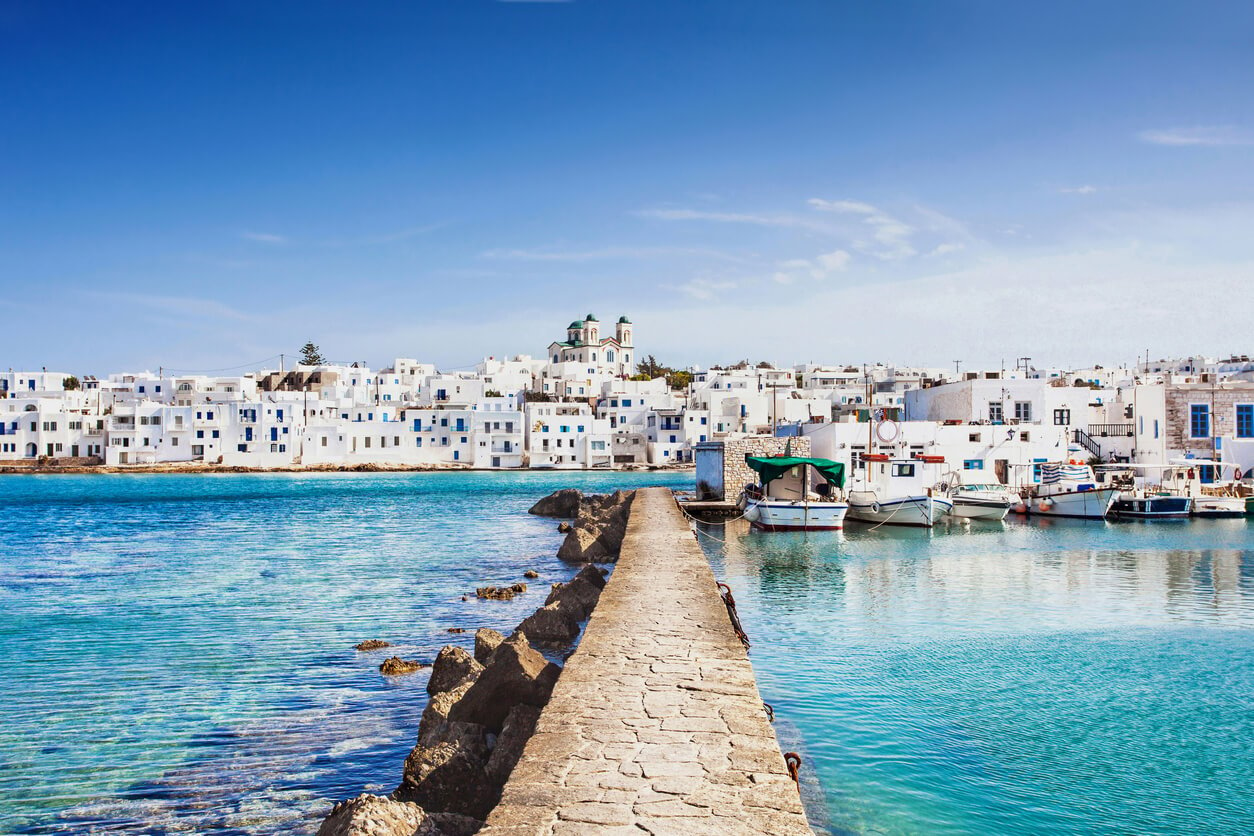
The Greek island of Paros is located in the center of the Aegean Sea. It is located west of Naxos, which is part of the Cyclades island group, and is divided from it by a canal that is roughly 8 kilometers (5 miles) wide. It is roughly 93 miles (150 km) southeast of Piraeus. A total of 196.308 square kilometers (75.795 square miles) of uninhabited offshore islets make up the Municipality of Paros. Southwest of it is the municipality of Antiparos, which is its closest neighbor. The island was home to the city-state of Paros in ancient Greece. Greece's Paros is situated in the center Aegean. Paros is the third largest island in the Cycladic group, with a 118.5-kilometer shoreline. Because of its beauty, architecture, and abundance of breathtaking beaches, this Greek island is among the most well-known. Paros island can be reached by plane (approximately 30 minutes from Athens airport) or ferry (about 4.5 hours from Piraeus port). The friendly locals of Paros are the most memorable feature of the island! Discovering Paros is an unrestrained delight because of the island's unique character and genuineness, which are difficult to obtain elsewhere. Ancient villages, endless marmalade sunsets, sun-drenched hilltop towns, laneways lined with bougainvillaea, boundless golden beaches, and secret coves are just a few of the commonplace Greek island features that make Paros an important stop on every Greek island-hopping itinerary.
Cairo Africa
Cairo Africa
Cairo
AFRICAN
Yes
38
Cairo isn’t just the capital of Egypt — it’s the pulse of the nation. A city where ancient history meets modern chaos, where the call to prayer rises above the traffic, and where every alley seems to hum with life. Home to over 10 million people, Cairo is one of the biggest and most energetic cities in the Middle East and Africa. It’s a place of contrasts — the timeless Pyramids of Giza just a short drive from bustling markets, rooftop cafés, and shiny new malls. The Greater Cairo Metropolitan Area, with more than 22 million residents, is among the most populated urban regions on Earth. Surrounded by ancient sites like Memphis, Heliopolis, and the Giza Plateau, Cairo is a living bridge between Egypt’s past and its future. The city’s origins trace back to Fustat, Egypt’s first Islamic capital founded in 641 CE, and later to 969 CE, when the Fatimid dynasty created what we now call Cairo. Through centuries — under the Ayyubids, Mamluks, and beyond — the city became Egypt’s heart of architecture, art, and learning.
.jpg)

 (1).jpg)

.jpg)




.jpg)