Kathmandu Nepal
Kathmandu Nepal
Nepal
ASIA
Yes
20
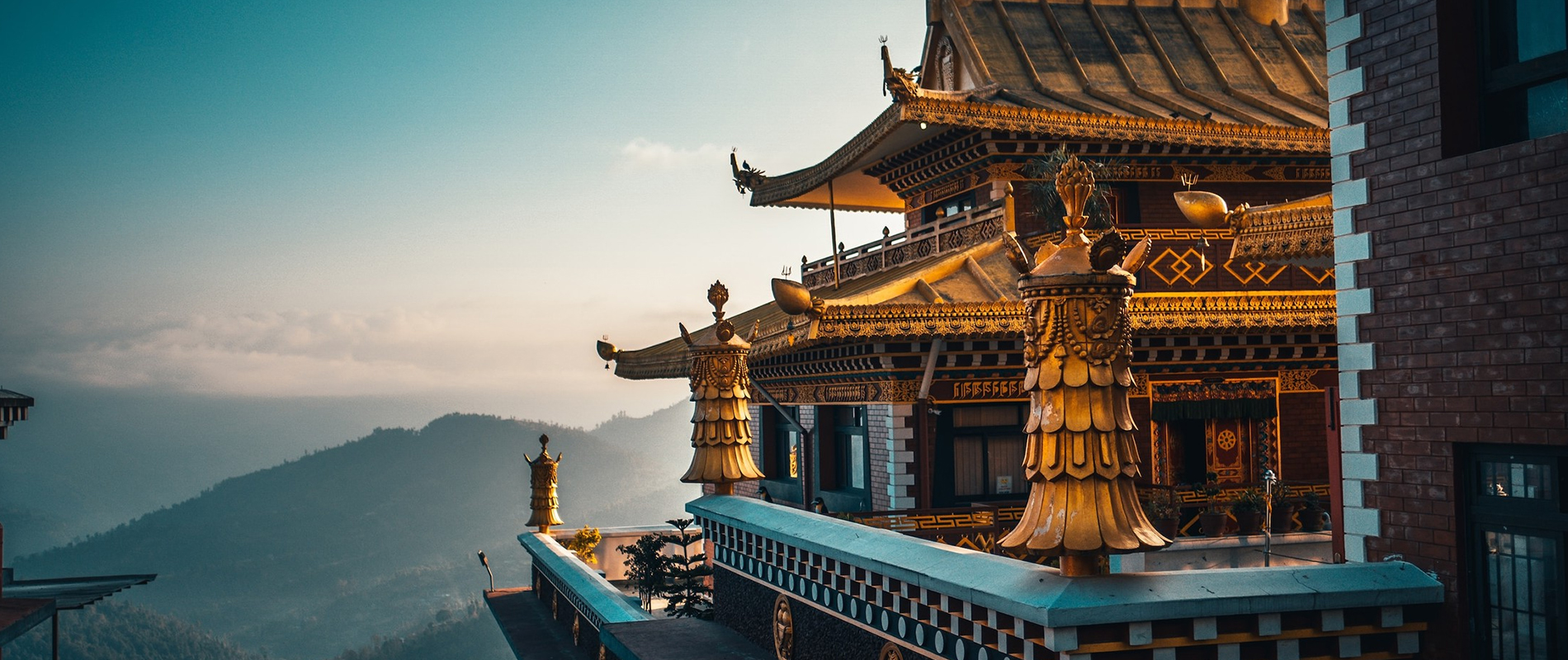
Nepal's capital is Kathmandu. At 4,344 feet (1,324 meters) above sea level, it is situated in a steep area close to the meeting point of the Baghmati and Vishnumati rivers.Thanks to the efforts of its Newar merchant families, the city has grown to become the most significant business and economic hub in the nation. Previously restricted to footpaths for centuries, Kathmandu became the center of the national transportation system in the 1970s when new roads were built and the air service was expanded. The Newar prefer to reside in the city, whereas the majority of the locals work in agriculture. In 1959, Tribhuvan University received its charter. The two main thoroughfares of Kathmandu stand in stark contrast to the ancient neighborhoods of winding streets and brick homes with ornate windows and doors. Many modern-style structures were constructed as a result of the 1934 earthquake's destruction. The most famous structure in the city is the historic Malla monarchs' palace, which was constructed by Raja Mahindra Malla and contains the Taleju temple (1549). A statue of the god Hanuman stands watch at the palace's front gate, and there are other pagoda-style temples in a tiny, nearby area. Festivals in Kathmandu include the Shivaratri and Machendra Jatra in the spring, when the goddess Devi is carried in procession as a young girl; the Gai Jatra, or festival of the cow, in the late summer; and the Indra Jatra, which takes place in the early autumn. Made of wood, stone, metal, and terracotta, the city of Newars is referred to as "an enormous treasure house of art and sculptures" and can be found in abundance in temples, shrines, stupas, gompas, chaityas, and palaces throughout the Kathmandu Valley. Additionally, the art pieces can be found in open spaces, alleys, street corners, and private courtyards. The majority of art takes the shape of god and goddess images. This art treasure has been in the Kathmandu Valley for a very long time, but it wasn't until the country opened to the outside world in 1950 that it gained international attention.The National Museum of Nepal and the Natural History Museum of Nepal are two of the many museums and art galleries located in Kathmandu. Buddhism and Hinduism, two ancient religions, are combined in Nepalese art and architecture. Over the course of millennia, Kathmandu's position and topography have contributed significantly to the growth of a stable economy. The city is situated on a flat, fertile lake basin that dates back thousands of years. A society centered on agriculture was shaped in part by this topography. Because of this and its strategic location between China and India, Kathmandu has been a major trading hub for millennia. The ancient trade of Kathmandu thrived along a branch of the Silk Road that connected Tibet and India.
Maasai Mara Africa
Maasai Mara Africa
Africa
AFRICAN
Yes
38
Maasai Mara, frequently spelled Masai Mara, and referred to locals as just "The Mara," is a sizable national game reserve in Kenya's Narok County that borders Tanzania's Serengeti National Park. The Maasai people, the region's original occupants who came from the Nile Basin, are honored by the name. From a distance, their description of the region is as follows: "Mara" means "spotted" in the Maa language due to the short, bushy trees that are scattered throughout the terrain. With its populations of lions, leopards, cheetahs, and African bush elephants, the Maasai Mara is one of Africa's wilderness and wildlife protection areas. In addition, it is home to the Great Migration, which has earned it a spot among the ten Wonders of the World and the Seven Natural Wonders of Africa. Depending on the weather, the Great Migration often takes place in July when a huge number of wildebeest migrate from Tanzania across the Mara River. The Maasai Mara National Reserve, the Mara Triangle, a number of Maasai group ranches, and Maasai Mara conservancies are all included in the Greater Mara ecosystem. The Masai Mara, sometimes referred to as "the world's eight world wonders" or one of the most well-known wildlife places in the world, is home to an abundance of species, breathtaking views, and unending plains.The Masai Mara National Reserve, an unfenced reserve with unrestricted wildlife movement, and a number of conservancies comprise the Greater Masai Mara area. Maasai families privately own these parcels of land. The Maasai families who lease their property to safari lodges have the opportunity to use the money they make from the conservancies to fund development or education projects in their communities. The Masai Mara was called in honour of the Maasai people, the traditional residents of the area. 'Mara' means'spotted' in Maasai (Maa) dialect. It won't be difficult to comprehend how the Masai Mara gained its name after visiting. The terrain does appear somewhat'spotted' due to the small, bushy trees that dot it. The environment of the Greater Masai Mara is enormous. It is almost 1510 square kilometers in size. The Serengeti National Park in Tanzania is adjacent to the Maasai Mara, a sizable game reserve in Narok County, Kenya. It is named after the Maasai people, who were the original occupants of the region, and how they described it from a distance: "Mara" means "spotted" in the Maasai language, referring to the numerous trees, plants, cloud shadows, and animals that dotted the terrain.


 (1).jpg)

.jpg)

.jpg)


.jpg)