Matterhorn Glacier Paradise, Switzerland
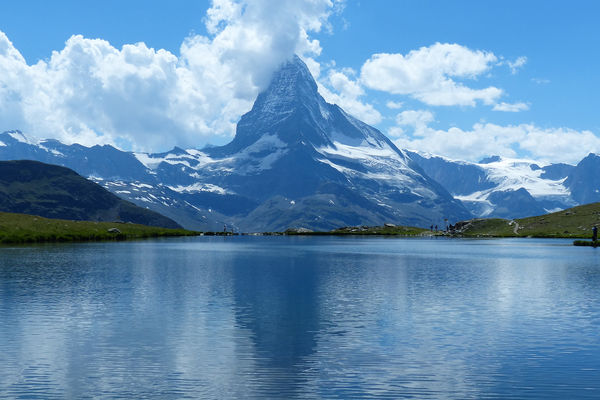
The Matterhorn is a famous mountain in the Swiss Alps, known for its unique pyramid shape and the world’s most photographed mountain. Matterhorn Mountain Paradise in Zermatt has quiet surroundings, and panoramic views, including the beautiful resort town of Zermatt, offers amazing views, whether you’re hiking, skiing, or simply soaking in the scenery.
Matterhorn Glacier Paradise is a world of adventures where you get a thrill out of savoring breathtaking views of mountains in Switzerland, Italy, and France. Along with being the highest cable car station in Europe at 4478 meters, Matterhorn Glacier Paradise is also home to the highest mountain restaurant and the world’s highest glacier palace. The 360-degree panorama-viewing platform – the highest viewing platform in the Swiss Alps – lets you view the 38 peaks over four thousand meters and 14 glaciers in the French, Italian, and Swiss Alps. The mountain is a dream for climbers, though it’s known for being a tough and risky climb. This is still one of the most recognized peaks in the Alps. The surrounding area of the Matterhorn, including the beautiful resort town of Zermatt, offers amazing views, whether you’re hiking, skiing, or simply soaking in the scenery. The Matterhorn is striking and unmistakable, perfectly formed like an Egyptian pyramid, it stands at the end of the Matter Valley in the middle of the Valais Alps. The name comes from the two German words “Matte” and “Horn”. “Matte” refers to the grassy valley below the Gorner Gorge, in the area where Zermatt is situated. “Zermatt” is derived from “Zur Matt”, or “at the “Matte”. And “Horn” describes the shape of the peak, as well as being the nickname used by locals for the Matterhorn. On the Italian side of the border, the mountain goes by the name “Monte Cervino”. The Matterhorn, with its distinctive pyramid shape, rises at the end of the Matter Valley in the beautiful Valais Alps. The Matterhorn formed millions of years ago when it was once part of the African continent before the forces of plate tectonics shaped it into the towering mountain it is today. Known for its stunning beauty, it’s perhaps the most recognizable symbol of Switzerland, attracting visitors and climbers from across the globe. The Matterhorn’s stunning appearance and adventurous spirit truly make it a beloved symbol of the Swiss Alps—an unforgettable and inspiring sight for everyone fortunate enough to witness it. Also, the Matterhorn is a popular destination for tourists. While it's famous for its challenging climbs that attract experienced mountaineers, the surrounding region offers plenty of activities for all types of visitors. The town of Zermatt, at the base of the mountain, is a major hub for tourists, offering activities like skiing, hiking, and sightseeing. Visitors can enjoy breathtaking views of the Matterhorn from various spots around Zermatt, take cable car rides to nearby peaks, or simply explore the picturesque alpine village. For those who aren’t climbing the mountain, it’s still an incredible place to visit for its natural beauty and outdoor experiences. Courageous mountaineers had been consistently unsuccessful in their attempts to reach the summit. They deemed the Matterhorn to be unassailable and told tales of evil spirits and mountain demons. Then, on 14 July 1865, the spell was finally broken: the British climber Edward Whymper conquered the Matterhorn. The first ascent was achieved, but as is so often the case, success and tragedy went hand in hand that day. During the descent, a rope snapped and four of the seven men in Whymper’s rope team fell to their deaths. The first successful ascent of the Matterhorn was in 1865, although it came after a tragic attempt. Today, the Matterhorn continues to attract visitors from all over the world. It's a popular destination for skiing, hiking, and mountaineering. For those aiming to climb the Matterhorn, it's essential to have mountaineering experience, as the climb is challenging and requires proper preparation.
.jpg)