GOA India
GOA India
India
ASIA
Yes
18
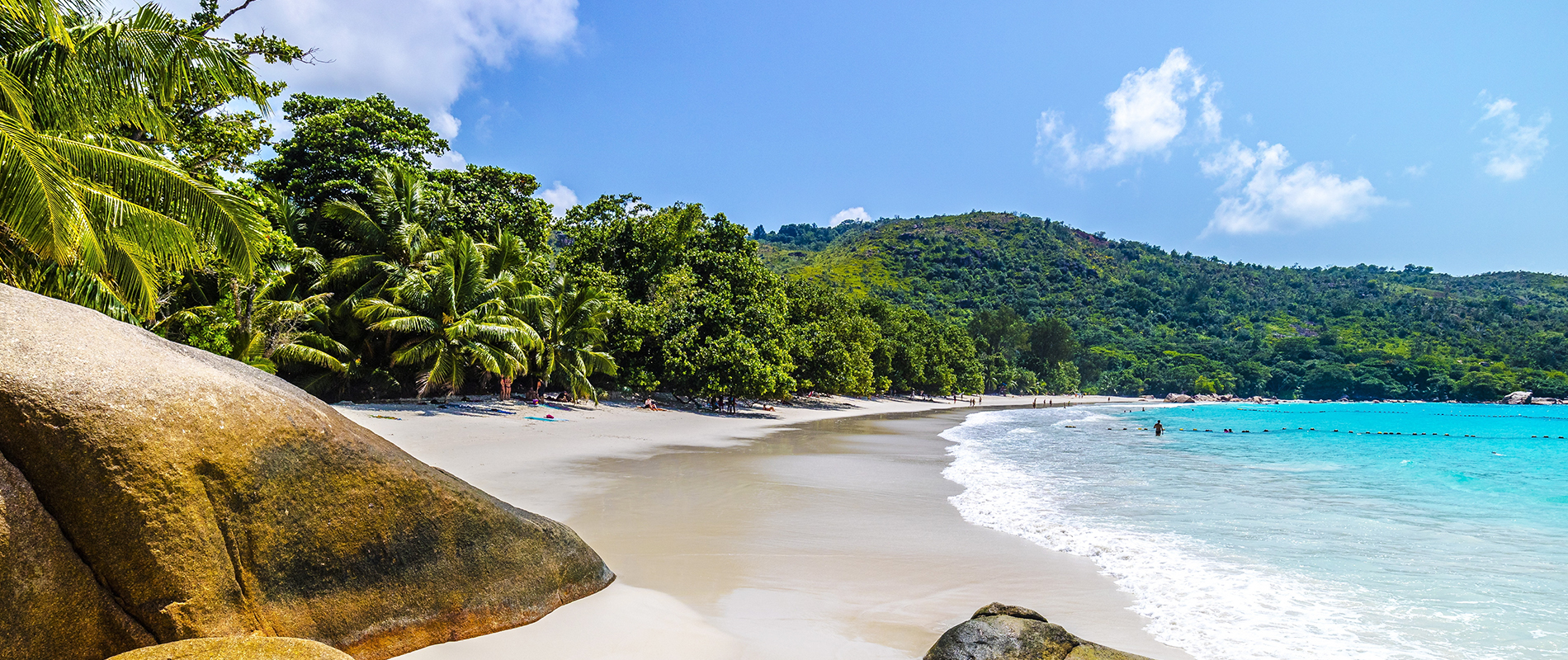
According to National Geographic Travel, Goa is ranked sixth among the world's ten most vibrant cities.Water sports are among the most popular tourist activities in Goa. Jet-skiing, parasailing, banana boat excursions, water scooter rides, and more are available on beaches including Baga and Calangute. Palolem's Patnem Beach was ranked third among Asia's Top 20 Beaches by CNN Travel. Both Eastern and Western styles are incorporated into Goan culture, with the latter playing a more significant role. By emphasizing the Deepastambha, the Cross, and Ghode Modni, followed by a chariot, the Goan tableau shows religious concord. Regional dances that portray a distinctive fusion of the various religions and civilizations of this state are as much a part of Goa's cultural legacy as the European royal clothing worn by its rulers. Christmas, Easter, Carnival, Diwali, Shigmo, Chavoth, Samvatsar Padvo, Dasara, and others are notable local celebrations. Dekhnni, Fugdi, Corridinho, Mando, Dulpod, and Fado are examples of traditional Goan art forms. Hindus from Goa love Natak, Bhajan, and Kirtan. Mogubai Kurdikar, Kishori Amonkar, Kesarbai Kerkar, Jitendra Abhisheki, and Pandit Prabhakar Karekar are just a few of the well-known Indian classical singers that are from Goa. Using expertly made and painted wooden masks that depict a variety of animals, birds, supernatural powers, deities, demons, and social characters, Perni Jagor is the ancient mask dance-dramatic of Goa that is performed by Perni families.Goa has excellent air, sea, rail, and road connections to the rest of India and the world. The Konkan railway station in Panaji is next to a sizable bus terminal. The Konkan railway, which was finished in 1998, connects to the southern railway of India after traveling west-central Maharashtra to southern Karnataka. By means of Castle Rock (in Karnataka) in the Western Ghats, another train line links the nation's southwestern rail system with the state's main port at Marmagao (through Madgaon). Near Panaji, at Dabolim, lies an international airport.
Jaipur
Jaipur
India
ASIA
No
24
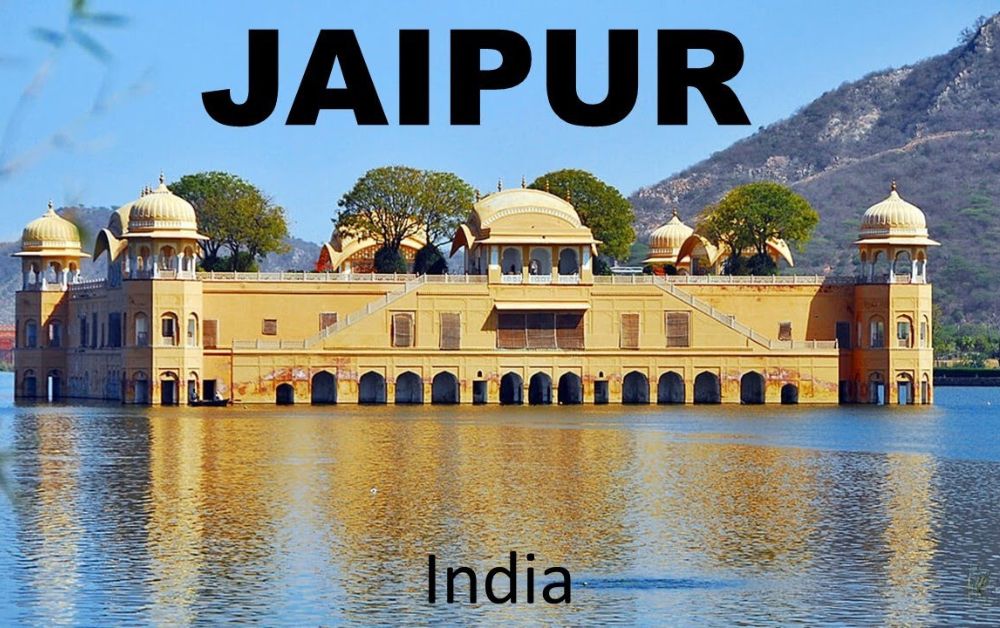
Royal Palaces in Jaipur You Can Visit for History and Architecture Step into Jaipur and you’ll instantly see why it’s called the Pink City. Those rosy facades aren’t just for show — they’re a tradition rooted in pride, hospitality, and heritage. When Maharaja Sawai Jai Singh II founded Jaipur in 1727, he wasn’t just building another capital. He dreamt up India’s first planned city — with broad streets, vibrant bazaars, and palaces designed to impress. But Jaipur’s palaces aren’t only about grandeur. They’re living storytellers. Every arch, courtyard, and jharokha (balcony) whispers tales of queens peeking at parades, kings holding court under painted ceilings, and artisans turning stone into poetry. Some were built for defense, some for leisure, and a few still welcome royalty today. Visiting them is less sightseeing, more time-travel into Rajasthan’s regal past.

 (1).jpg)

.jpg)

.jpg)


