GOA India
GOA India
India
ASIA
Yes
18
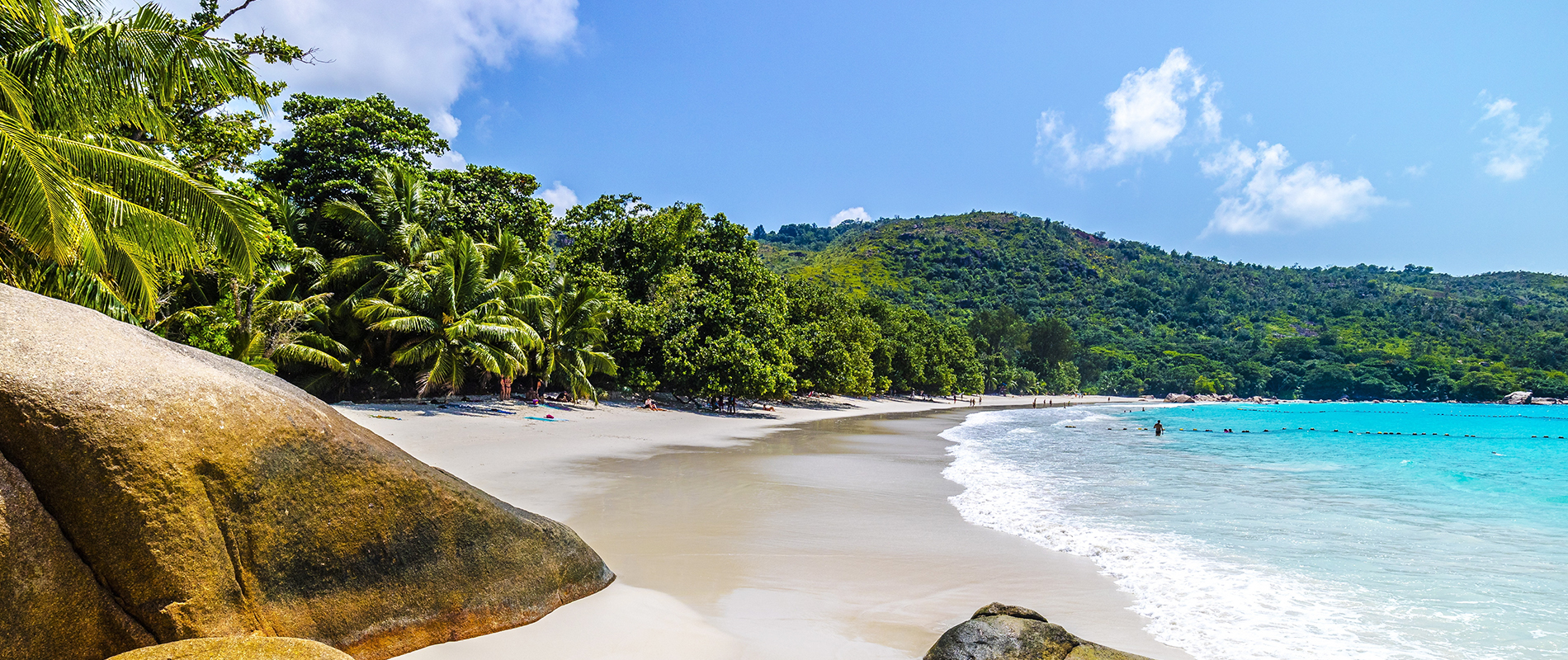
According to National Geographic Travel, Goa is ranked sixth among the world's ten most vibrant cities.Water sports are among the most popular tourist activities in Goa. Jet-skiing, parasailing, banana boat excursions, water scooter rides, and more are available on beaches including Baga and Calangute. Palolem's Patnem Beach was ranked third among Asia's Top 20 Beaches by CNN Travel. Both Eastern and Western styles are incorporated into Goan culture, with the latter playing a more significant role. By emphasizing the Deepastambha, the Cross, and Ghode Modni, followed by a chariot, the Goan tableau shows religious concord. Regional dances that portray a distinctive fusion of the various religions and civilizations of this state are as much a part of Goa's cultural legacy as the European royal clothing worn by its rulers. Christmas, Easter, Carnival, Diwali, Shigmo, Chavoth, Samvatsar Padvo, Dasara, and others are notable local celebrations. Dekhnni, Fugdi, Corridinho, Mando, Dulpod, and Fado are examples of traditional Goan art forms. Hindus from Goa love Natak, Bhajan, and Kirtan. Mogubai Kurdikar, Kishori Amonkar, Kesarbai Kerkar, Jitendra Abhisheki, and Pandit Prabhakar Karekar are just a few of the well-known Indian classical singers that are from Goa. Using expertly made and painted wooden masks that depict a variety of animals, birds, supernatural powers, deities, demons, and social characters, Perni Jagor is the ancient mask dance-dramatic of Goa that is performed by Perni families.Goa has excellent air, sea, rail, and road connections to the rest of India and the world. The Konkan railway station in Panaji is next to a sizable bus terminal. The Konkan railway, which was finished in 1998, connects to the southern railway of India after traveling west-central Maharashtra to southern Karnataka. By means of Castle Rock (in Karnataka) in the Western Ghats, another train line links the nation's southwestern rail system with the state's main port at Marmagao (through Madgaon). Near Panaji, at Dabolim, lies an international airport.
Kruger National Park Africa
Kruger National Park Africa
Africa
AFRICAN
Yes
37
Covering 19,623 km2 (7,576 sq mi), Kruger National Park is located in the northeastern South African provinces of Mpumalanga and Limpopo. It stretches 65 km (40 mi) from east to west and 360 km (220 mi) from north to south. Skukuza is home to the administrative headquarters. The South African Republic's government first protected portions of the park in 1898, and in 1926 it was designated as the country's first national park. It is a part of the biosphere reserve known as the Kruger to Canyons Biosphere. Kruger National Park is home to all five of the big game creatures and boasts 147 species of large mammals, more than any other game reserve in Africa. Webcams have been installed to watch the wildlife. There are believed to be just 400 African wild dog packs in all of South Africa, and Kruger is home to packs of these endangered animals. There is a reasonably consistent group of bird species from the park's southern to central regions, but the mopane-dominated flatlands north of the Olifants show a fall in richness.The larger birds of prey, on the other hand, breed during the dry winter, when their prey is most exposed, whereas the majority of species breed during the summer, when rainfall sustain the majority of vegetable and animal food. In 1918, Kruger National Park was declared, and a commission was formed to oversee its development and planning. A government officer named Johannes Andries (Dries) de Ridder served as the commission's first secretary. After 44 years in charge of the Kruger Park, Warden James Stevenson-Hamilton retired on April 30, 1946. Colonel J. A. B. Sandenbergh of the South African Air Force took his post. The government forcibly removed the Makuleke people from the northern portion of the park in 1969, and approximately 1500 of them were relocated to territory in the south so that their original tribal lands could be incorporated into the larger Kruger National Park. The famed Big Five (lion, leopard, elephant, rhinoceros, and buffalo) are among the remarkably diverse species that makes Kruger National Park famous. The park, which spans about two million hectares, draws tourists from all around the world with its unmatched wildlife viewing opportunities.


 (1).jpg)
.jpg)

.jpg)


.jpg)