GOA India
GOA India
India
ASIA
Yes
18
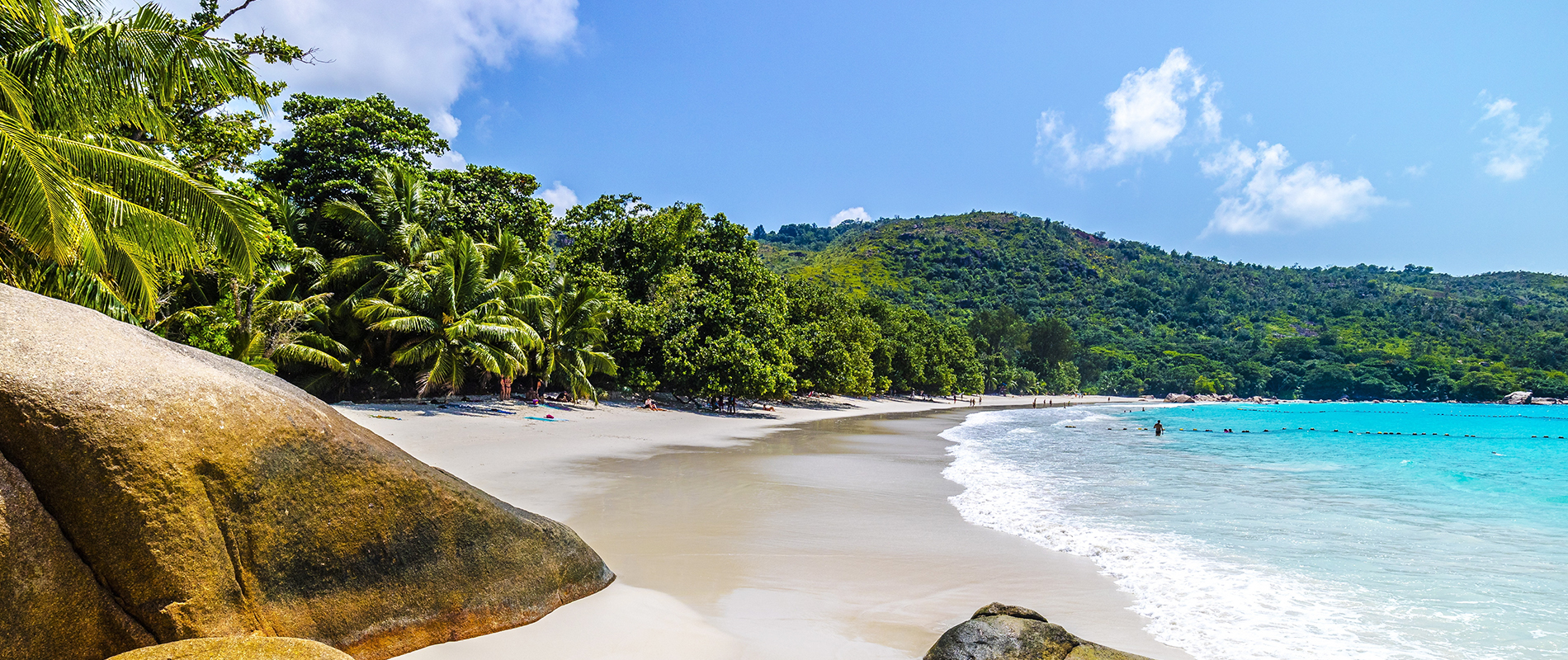
According to National Geographic Travel, Goa is ranked sixth among the world's ten most vibrant cities.Water sports are among the most popular tourist activities in Goa. Jet-skiing, parasailing, banana boat excursions, water scooter rides, and more are available on beaches including Baga and Calangute. Palolem's Patnem Beach was ranked third among Asia's Top 20 Beaches by CNN Travel. Both Eastern and Western styles are incorporated into Goan culture, with the latter playing a more significant role. By emphasizing the Deepastambha, the Cross, and Ghode Modni, followed by a chariot, the Goan tableau shows religious concord. Regional dances that portray a distinctive fusion of the various religions and civilizations of this state are as much a part of Goa's cultural legacy as the European royal clothing worn by its rulers. Christmas, Easter, Carnival, Diwali, Shigmo, Chavoth, Samvatsar Padvo, Dasara, and others are notable local celebrations. Dekhnni, Fugdi, Corridinho, Mando, Dulpod, and Fado are examples of traditional Goan art forms. Hindus from Goa love Natak, Bhajan, and Kirtan. Mogubai Kurdikar, Kishori Amonkar, Kesarbai Kerkar, Jitendra Abhisheki, and Pandit Prabhakar Karekar are just a few of the well-known Indian classical singers that are from Goa. Using expertly made and painted wooden masks that depict a variety of animals, birds, supernatural powers, deities, demons, and social characters, Perni Jagor is the ancient mask dance-dramatic of Goa that is performed by Perni families.Goa has excellent air, sea, rail, and road connections to the rest of India and the world. The Konkan railway station in Panaji is next to a sizable bus terminal. The Konkan railway, which was finished in 1998, connects to the southern railway of India after traveling west-central Maharashtra to southern Karnataka. By means of Castle Rock (in Karnataka) in the Western Ghats, another train line links the nation's southwestern rail system with the state's main port at Marmagao (through Madgaon). Near Panaji, at Dabolim, lies an international airport.
Cairo Africa
Cairo Africa
Cairo
AFRICAN
Yes
38
Cairo isn’t just the capital of Egypt — it’s the pulse of the nation. A city where ancient history meets modern chaos, where the call to prayer rises above the traffic, and where every alley seems to hum with life. Home to over 10 million people, Cairo is one of the biggest and most energetic cities in the Middle East and Africa. It’s a place of contrasts — the timeless Pyramids of Giza just a short drive from bustling markets, rooftop cafés, and shiny new malls. The Greater Cairo Metropolitan Area, with more than 22 million residents, is among the most populated urban regions on Earth. Surrounded by ancient sites like Memphis, Heliopolis, and the Giza Plateau, Cairo is a living bridge between Egypt’s past and its future. The city’s origins trace back to Fustat, Egypt’s first Islamic capital founded in 641 CE, and later to 969 CE, when the Fatimid dynasty created what we now call Cairo. Through centuries — under the Ayyubids, Mamluks, and beyond — the city became Egypt’s heart of architecture, art, and learning.
.jpg)

 (1).jpg)
.jpg)




.jpg)