Wales Europe
Wales Europe
Europe
EUROPE
Yes
19
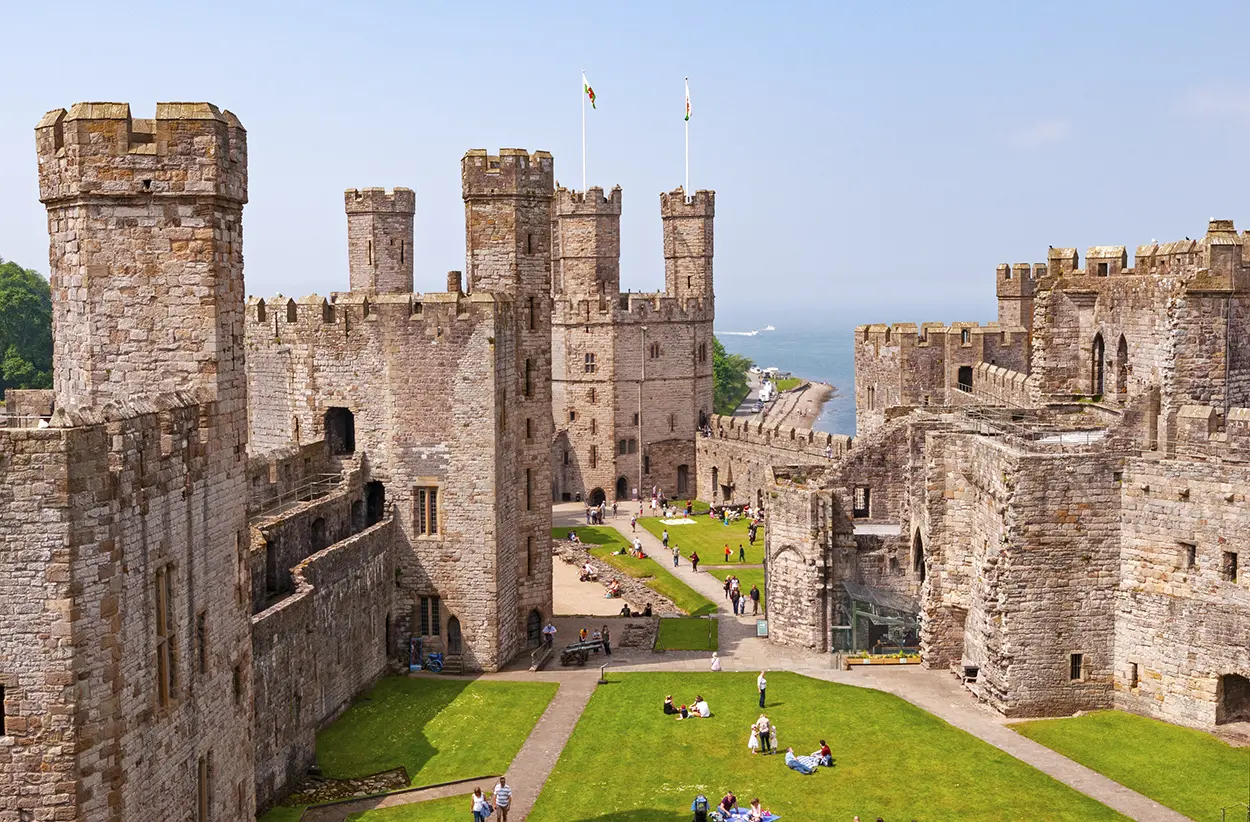
Wales is a part of the United Kingdom, which is an extension of Great Britain to the west. Cardiff serves as both the capital and the primary financial and economic hub. The little country of Wales, which is made up of six different regions, is renowned for its remarkably untamed terrain. It was one of the most important political and cultural hubs of Celtic Europe and has retained elements of its culture that set it apart from its English neighbors. Wales' maritime climate is characterized by erratic changes in Atlantic air masses, which, when paired with the country's wide range of elevations, frequently result in daily variations in local conditions. The nation as a whole receives an average of 55 inches (1,385 mm) of precipitation year, which is both frequent and frequently more than sufficient. No season is particularly rainy or dry; precipitation averages around 4 inches (88 mm) in April and 6 inches (142 mm) in January. In the uplands, where snow or sleet falls around ten days a year, winter snowfall can be substantial. Red kites, European polecats and pine martens, choughs (crowlike birds that breed inland as well as at some coastal places), and other mammals and birds that are rare or extinct elsewhere in Britain can be found in the more isolated areas of Wales. There are many of seabirds and shorebirds, and Cardigan Bay is home to bottlenose dolphins. Over half of Wales's GDP and almost two-thirds of its jobs are in the industries of trade, hotels, restaurants, government (including health and education services), and financial and business services. Cardiff and neighboring cities are home to the majority of services. Wales utilizes the pound sterling and depends on the Bank of England for currency and other financial affairs; it does not have its own central bank or national currency. Wales is home to numerous commercial banks and insurance providers. Wales is known as "the land of song," and its traditional culture is based on oral (and aural) arts such as spoken and written language and vocal music, especially choral singing with intricate harmonies and multiple parts. Welsh folk culture up to the early 18th century included the singing of penillion, or basic vernacular songs, to the triple harp. Efforts have been made to bring the tradition back. Government support for literature, art, music, film, and drama is provided by the Welsh Arts Council. The council sponsors art exhibitions, theater companies and theatres in Welsh and English, regional arts associations, music societies and festivals, especially those involved in commissioning new works, and assists in arranging British and international orchestras' visits of Wales.
London
London
Europe
EUROPE
Yes
22
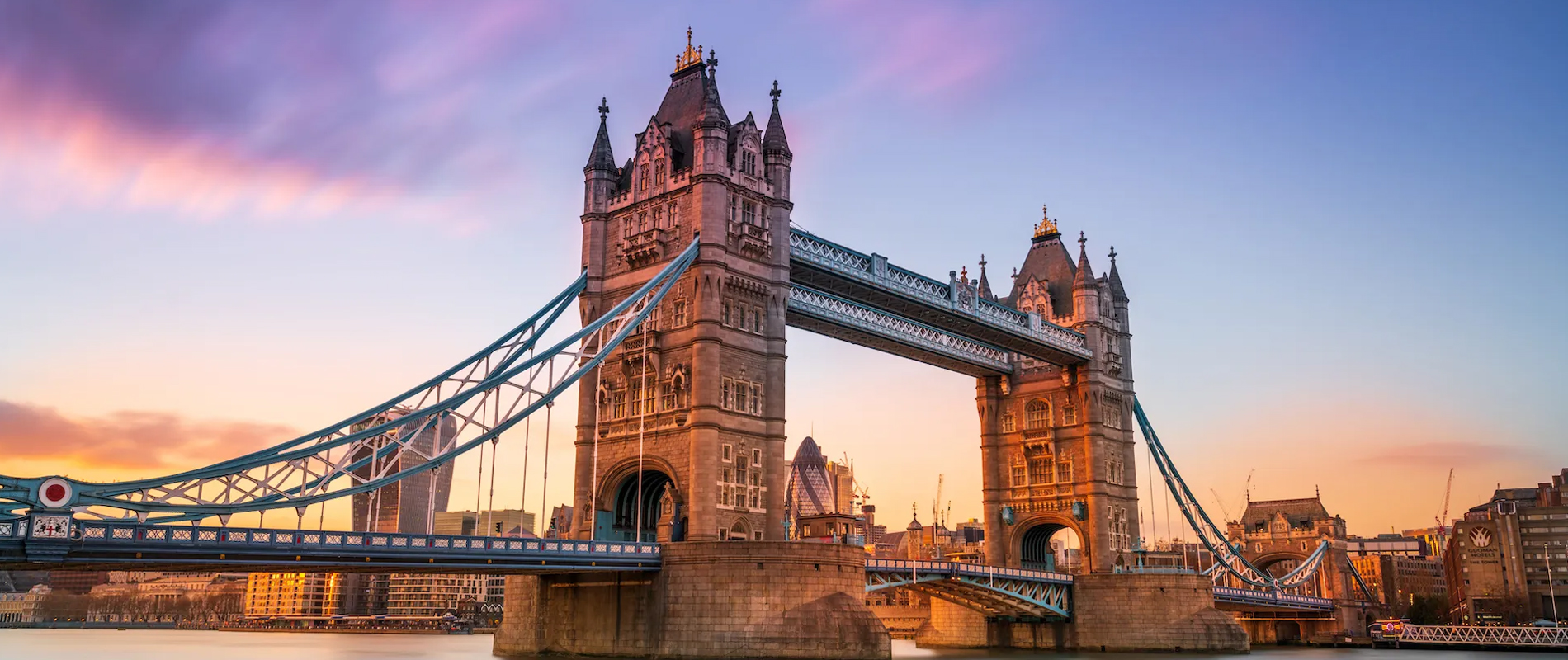
London, the capital of the United Kingdom, is a dynamic city that skillfully combines modernity, culture, and history. Everyone can find something to enjoy in this city, from its famous landmarks to its varied neighborhoods. This essay will take you on an engrossing tour through London's numerous facets, revealing its rich history, cultural treasures, and distinct appeal. This city is a veritable gold mine of experiences, where contemporary fashions and centuries of history coexist peacefully. Discovering its varied districts, historical landmarks, cultural establishments, and gastronomic treats provides a singular and captivating experience that lingers long after you've departed. The London post town, where "LONDON" appears in postal addresses, makes up about 40% of Greater London. Greater London is approximately the same size as the London telephone area code (020). Some outside districts are included in this area, while others are just beyond its borders. Interestingly, parts of the M25 motorway coincide with the Greater London boundaries. In 2019, London's gross regional product was £503 billion, or about 25% of the UK's total GDP.The City, Westminster, Canary Wharf, Camden & Islington, and Lambeth & Southwark are the five main business areas of London. Examining the respective amounts of office space is one method to determine their relative importance: In 2001, there were 27 million square metres of office space in Greater London, whereas the City has the largest amount at 8 million square metres. The cost of real estate in London is among the highest in the world. The Palace of Westminster, which became the permanent home of the royal court and, as a result, the political center of the country, moved the capital of England from Winchester to London in the 12th and 13th centuries. Greater London, also referred to as London, is a territory of England that has been defined in recent years. With fluctuating temperatures all year long, London enjoys a temperate oceanic environment. Records of rainfall go back at least to 1697, demonstrating the city's meteorological trends. While winters are generally cold and stable, summers are typically warm. Concerns have been raised that water shortages may materialize by 2050 because London is vulnerable to climate change. The longer-distance train network that enters London is not under the mayor's financial control, despite transportation being one of the four primary policy areas under his administration. The London Underground, trams, and buses were already within the Mayor of London's jurisdiction, but in 2007 the Mayor took over some local lines that currently make up the London Overground network. Transport for London (TfL) is in charge of managing the public transport system. Among the four global fashion capitals, London is a towering presence that sets trends and dictates fashion. The West End of the city is home to both theater and avant-garde fashion events. Attracting both filmmakers and moviegoers, London is the third-busiest film production hub in the world. There is nothing like London's contribution to the music industry. The city is home to concert halls, orchestras, and large music enterprises. The symphonies of the London Philharmonic Orchestra, London Symphony Orchestra, and others reverberate throughout the Royal Albert Hall, the Barbican Arts Centre, and the Southbank Centre. The main event is the yearly Proms, which honor classical music.

 (1).jpg)

.jpg)

.jpg)


