San Antonio de los Cobres to Viaducto La Polvorilla countries
San Antonio de los Cobres to Viaducto La Polvorilla countries
South America
SOUTH AMERICA
Yes
19
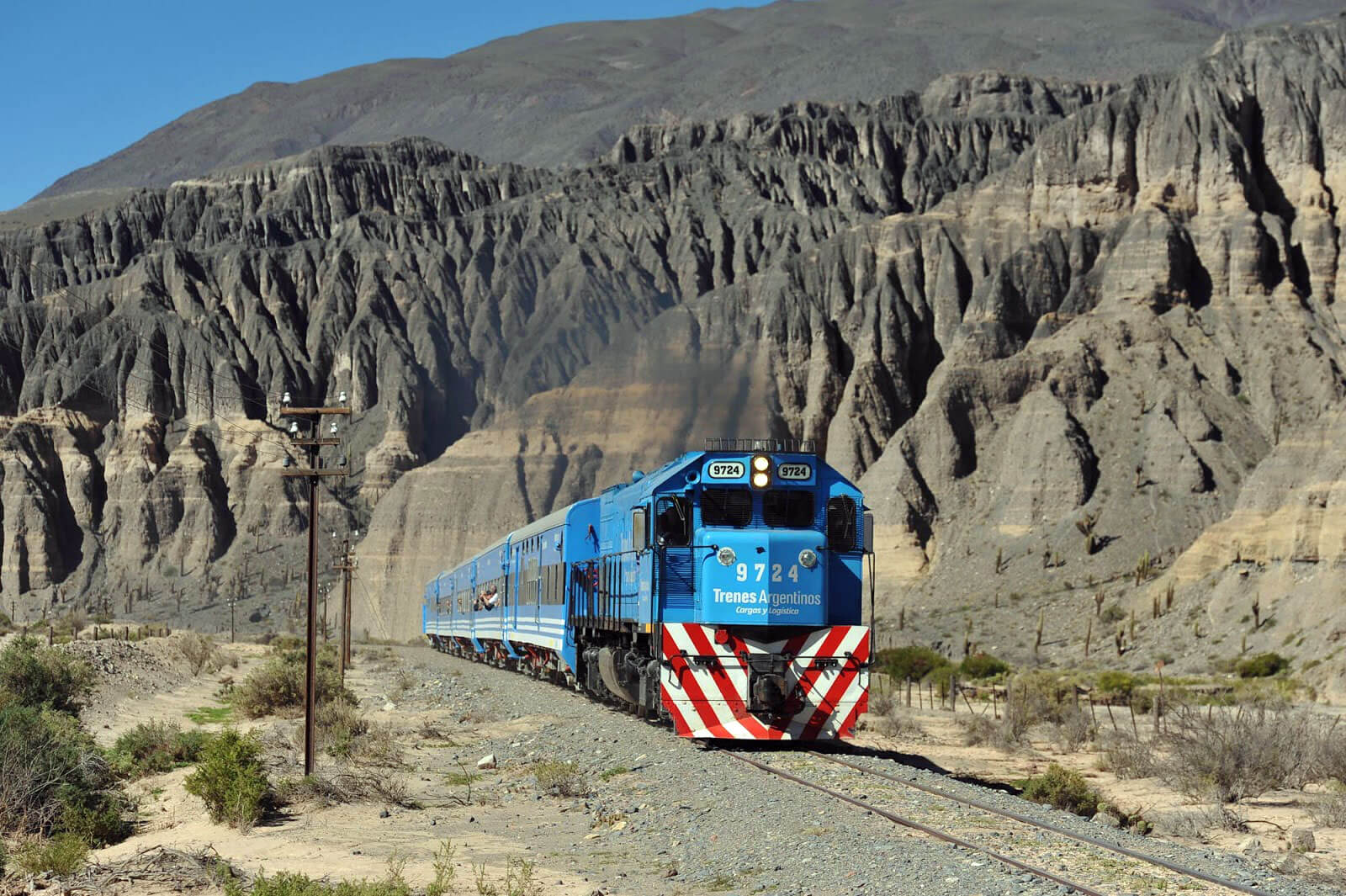
San Antonio de los Cobresand Viaducto La Polvorilla are both located in Argentina, in the Salta Province in the northwest of the country. San Antonio de los Cobres: A high-altitude town situated at about 3,775 meters above sea level in the Andes Mountains. It is known for its mining history, indigenous culture, and as a stop on the famous Tren a las Nubes (Train to the Clouds). Viaducto La Polvorilla: A spectacular railway bridge located near San Antonio de los Cobres. It stands at 4,220 meters above sea level and is the most iconic part of the Tren a las Nubes route, showcasing impressive engineering in a dramatic mountainous landscape. The Salta Province in northwest Argentina is home to both the Viaducto La Polvorilla and San Antonio de los Cobres. About 13 kilometers from San Antonio de los Cobres stands the famous steel railway bridge known as the Viaducto La Polvorilla. It is one of the highest railway bridges in the world, rising 4,220 meters (13,845 ft) above sea level. The "Tren a las Nubes" (Train to the Clouds), a tourist train that travels through the picturesque Andes, includes this viaduct as one of its main features. Argentina is home to the full route, which includes the Viaducto La Polvorilla and San Antonio de los Cobres.
Cairo Africa
Cairo Africa
Cairo
AFRICAN
Yes
38
Cairo isn’t just the capital of Egypt — it’s the pulse of the nation. A city where ancient history meets modern chaos, where the call to prayer rises above the traffic, and where every alley seems to hum with life. Home to over 10 million people, Cairo is one of the biggest and most energetic cities in the Middle East and Africa. It’s a place of contrasts — the timeless Pyramids of Giza just a short drive from bustling markets, rooftop cafés, and shiny new malls. The Greater Cairo Metropolitan Area, with more than 22 million residents, is among the most populated urban regions on Earth. Surrounded by ancient sites like Memphis, Heliopolis, and the Giza Plateau, Cairo is a living bridge between Egypt’s past and its future. The city’s origins trace back to Fustat, Egypt’s first Islamic capital founded in 641 CE, and later to 969 CE, when the Fatimid dynasty created what we now call Cairo. Through centuries — under the Ayyubids, Mamluks, and beyond — the city became Egypt’s heart of architecture, art, and learning.
.jpg)

 (1).jpg)
.jpg)




.jpg)