Paris to Lyon
Paris to Lyon
Europe
EUROPE
Yes
25
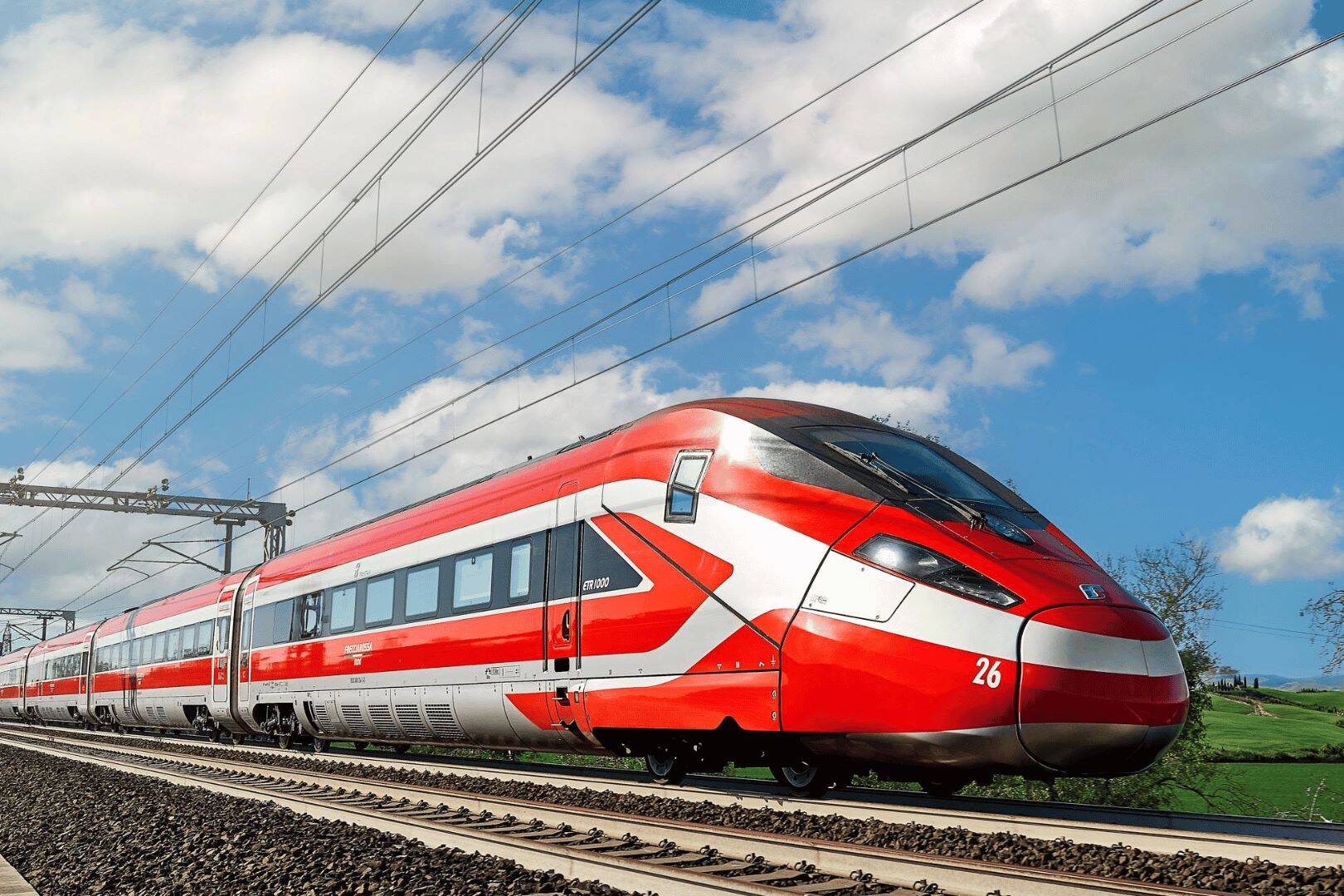
Parisand Lyon are two of the most important cities in France, a country in Western Europe known for its rich culture, history, cuisine, fashion, and art. France Overview Capital: Paris Official Language: French Currency: Euro (€) Government: Republic Famous For: Eiffel Tower, wine and cheese, French Riviera, world-class cuisine, fashion, and museums like the Louvre. Paris Parisis the capital city of France and one of the most visited cities in the world. Famous Landmarks: Eiffel Tower, Louvre Museum, Notre-Dame Cathedral, Sacré-Cœur. Nicknamed: "The City of Light" (La Ville Lumière). Known For: Art, fashion, gastronomy, culture, and romantic atmosphere. River: Seine River runs through the city. Lyon Lyonis the third-largest city in France and is located in the Auvergne-Rhône-Alpes region in southeastern France. Famous For: Gastronomy (often considered the food capital of France), silk industry, Renaissance architecture. UNESCO Site: Its old town (Vieux Lyon) is a UNESCO World Heritage Site. Cultural Events: Fête des Lumières (Festival of Lights). Location: Lies at the junction of the Rhône and Saône rivers. Travel Between Paris and Lyon Distance: ~460 km (about 286 miles). Train: High-speed TGV trains take around 2 hours. By Car: Takes around 4.5 to 5 hours. Air Travel: Short flight, but train is often more convenient. Frecciarossa(meaning "Red Arrow") is the high-speed train service operated by Trenitalia, Italy’s national railway company. It’s known for speed, comfort, and efficiency, connecting major cities across Italy—and now even international destinations like France. Key Features of Frecciarossa Trains Top Speed: Up to 300–360 km/h (186–224 mph). Classes: Standard– Comfortable, affordable. Premium– More legroom, complimentary drink/snack. Business– Spacious seats, quieter cars, welcome service. Executive– Luxury seating, full meal service, lounge access. Wi-Fi: Available on board. Power Outlets: At every seat. Onboard Bar/Bistro: Snacks, meals, coffee, drinks. Silent Coach: Available for those who prefer a quiet ride.
Kruger National Park Africa
Kruger National Park Africa
Africa
AFRICAN
Yes
37
Covering 19,623 km2 (7,576 sq mi), Kruger National Park is located in the northeastern South African provinces of Mpumalanga and Limpopo. It stretches 65 km (40 mi) from east to west and 360 km (220 mi) from north to south. Skukuza is home to the administrative headquarters. The South African Republic's government first protected portions of the park in 1898, and in 1926 it was designated as the country's first national park. It is a part of the biosphere reserve known as the Kruger to Canyons Biosphere. Kruger National Park is home to all five of the big game creatures and boasts 147 species of large mammals, more than any other game reserve in Africa. Webcams have been installed to watch the wildlife. There are believed to be just 400 African wild dog packs in all of South Africa, and Kruger is home to packs of these endangered animals. There is a reasonably consistent group of bird species from the park's southern to central regions, but the mopane-dominated flatlands north of the Olifants show a fall in richness.The larger birds of prey, on the other hand, breed during the dry winter, when their prey is most exposed, whereas the majority of species breed during the summer, when rainfall sustain the majority of vegetable and animal food. In 1918, Kruger National Park was declared, and a commission was formed to oversee its development and planning. A government officer named Johannes Andries (Dries) de Ridder served as the commission's first secretary. After 44 years in charge of the Kruger Park, Warden James Stevenson-Hamilton retired on April 30, 1946. Colonel J. A. B. Sandenbergh of the South African Air Force took his post. The government forcibly removed the Makuleke people from the northern portion of the park in 1969, and approximately 1500 of them were relocated to territory in the south so that their original tribal lands could be incorporated into the larger Kruger National Park. The famed Big Five (lion, leopard, elephant, rhinoceros, and buffalo) are among the remarkably diverse species that makes Kruger National Park famous. The park, which spans about two million hectares, draws tourists from all around the world with its unmatched wildlife viewing opportunities.


 (1).jpg)

.jpg)

.jpg)


.jpg)