Jaipur
Jaipur
India
ASIA
No
24
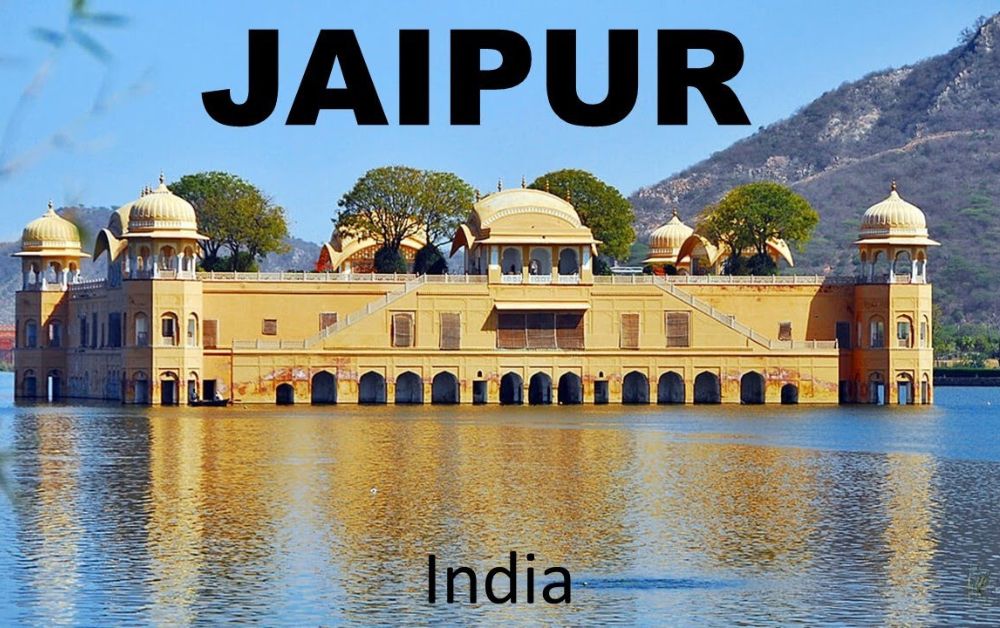
Royal Palaces in Jaipur You Can Visit for History and Architecture Step into Jaipur and you’ll instantly see why it’s called the Pink City. Those rosy facades aren’t just for show — they’re a tradition rooted in pride, hospitality, and heritage. When Maharaja Sawai Jai Singh II founded Jaipur in 1727, he wasn’t just building another capital. He dreamt up India’s first planned city — with broad streets, vibrant bazaars, and palaces designed to impress. But Jaipur’s palaces aren’t only about grandeur. They’re living storytellers. Every arch, courtyard, and jharokha (balcony) whispers tales of queens peeking at parades, kings holding court under painted ceilings, and artisans turning stone into poetry. Some were built for defense, some for leisure, and a few still welcome royalty today. Visiting them is less sightseeing, more time-travel into Rajasthan’s regal past.
Cairo Africa
Cairo Africa
Cairo
AFRICAN
Yes
38
Cairo isn’t just the capital of Egypt — it’s the pulse of the nation. A city where ancient history meets modern chaos, where the call to prayer rises above the traffic, and where every alley seems to hum with life. Home to over 10 million people, Cairo is one of the biggest and most energetic cities in the Middle East and Africa. It’s a place of contrasts — the timeless Pyramids of Giza just a short drive from bustling markets, rooftop cafés, and shiny new malls. The Greater Cairo Metropolitan Area, with more than 22 million residents, is among the most populated urban regions on Earth. Surrounded by ancient sites like Memphis, Heliopolis, and the Giza Plateau, Cairo is a living bridge between Egypt’s past and its future. The city’s origins trace back to Fustat, Egypt’s first Islamic capital founded in 641 CE, and later to 969 CE, when the Fatimid dynasty created what we now call Cairo. Through centuries — under the Ayyubids, Mamluks, and beyond — the city became Egypt’s heart of architecture, art, and learning.
.jpg)

 (1).jpg)

.jpg)




.jpg)