Kathmandu Nepal
Kathmandu Nepal
Nepal
ASIA
Yes
20
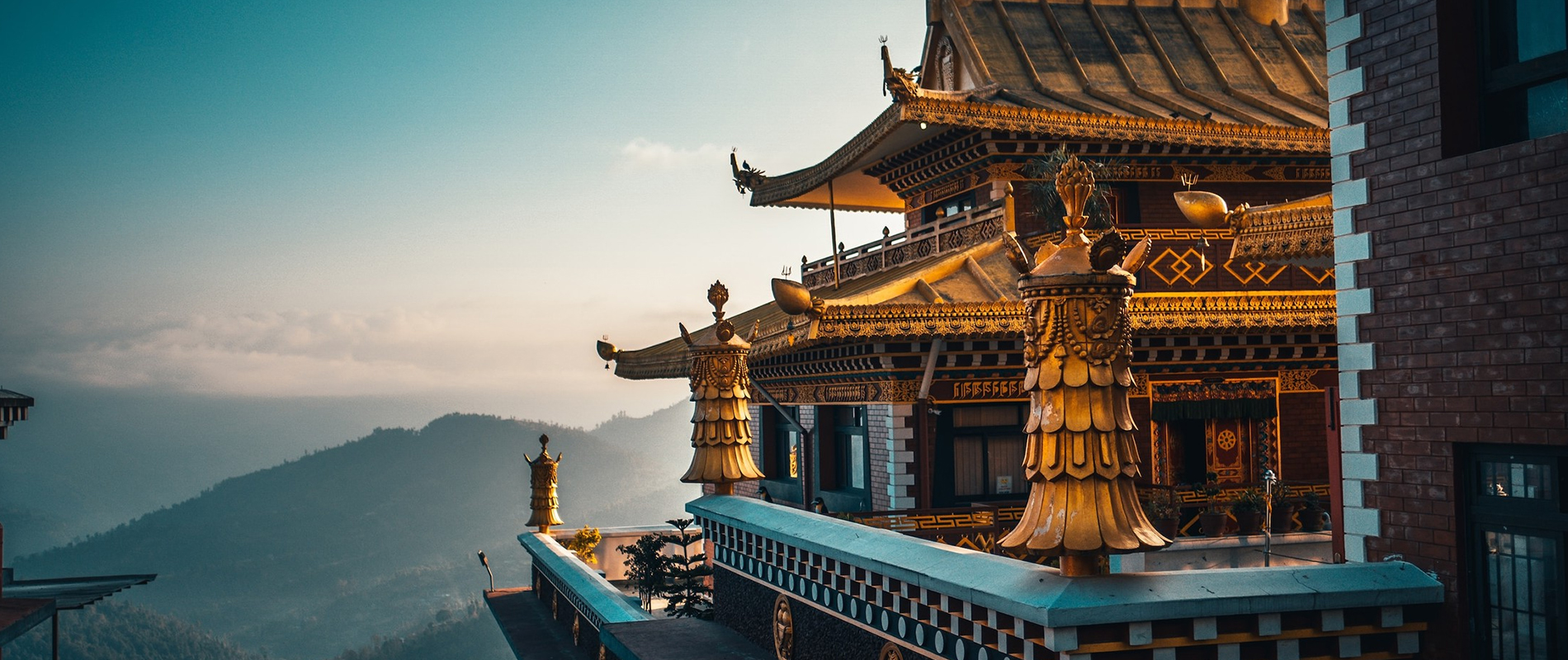
Nepal's capital is Kathmandu. At 4,344 feet (1,324 meters) above sea level, it is situated in a steep area close to the meeting point of the Baghmati and Vishnumati rivers.Thanks to the efforts of its Newar merchant families, the city has grown to become the most significant business and economic hub in the nation. Previously restricted to footpaths for centuries, Kathmandu became the center of the national transportation system in the 1970s when new roads were built and the air service was expanded. The Newar prefer to reside in the city, whereas the majority of the locals work in agriculture. In 1959, Tribhuvan University received its charter. The two main thoroughfares of Kathmandu stand in stark contrast to the ancient neighborhoods of winding streets and brick homes with ornate windows and doors. Many modern-style structures were constructed as a result of the 1934 earthquake's destruction. The most famous structure in the city is the historic Malla monarchs' palace, which was constructed by Raja Mahindra Malla and contains the Taleju temple (1549). A statue of the god Hanuman stands watch at the palace's front gate, and there are other pagoda-style temples in a tiny, nearby area. Festivals in Kathmandu include the Shivaratri and Machendra Jatra in the spring, when the goddess Devi is carried in procession as a young girl; the Gai Jatra, or festival of the cow, in the late summer; and the Indra Jatra, which takes place in the early autumn. Made of wood, stone, metal, and terracotta, the city of Newars is referred to as "an enormous treasure house of art and sculptures" and can be found in abundance in temples, shrines, stupas, gompas, chaityas, and palaces throughout the Kathmandu Valley. Additionally, the art pieces can be found in open spaces, alleys, street corners, and private courtyards. The majority of art takes the shape of god and goddess images. This art treasure has been in the Kathmandu Valley for a very long time, but it wasn't until the country opened to the outside world in 1950 that it gained international attention.The National Museum of Nepal and the Natural History Museum of Nepal are two of the many museums and art galleries located in Kathmandu. Buddhism and Hinduism, two ancient religions, are combined in Nepalese art and architecture. Over the course of millennia, Kathmandu's position and topography have contributed significantly to the growth of a stable economy. The city is situated on a flat, fertile lake basin that dates back thousands of years. A society centered on agriculture was shaped in part by this topography. Because of this and its strategic location between China and India, Kathmandu has been a major trading hub for millennia. The ancient trade of Kathmandu thrived along a branch of the Silk Road that connected Tibet and India.
Kruger National Park Africa
Kruger National Park Africa
Africa
AFRICAN
Yes
37
Covering 19,623 km2 (7,576 sq mi), Kruger National Park is located in the northeastern South African provinces of Mpumalanga and Limpopo. It stretches 65 km (40 mi) from east to west and 360 km (220 mi) from north to south. Skukuza is home to the administrative headquarters. The South African Republic's government first protected portions of the park in 1898, and in 1926 it was designated as the country's first national park. It is a part of the biosphere reserve known as the Kruger to Canyons Biosphere. Kruger National Park is home to all five of the big game creatures and boasts 147 species of large mammals, more than any other game reserve in Africa. Webcams have been installed to watch the wildlife. There are believed to be just 400 African wild dog packs in all of South Africa, and Kruger is home to packs of these endangered animals. There is a reasonably consistent group of bird species from the park's southern to central regions, but the mopane-dominated flatlands north of the Olifants show a fall in richness.The larger birds of prey, on the other hand, breed during the dry winter, when their prey is most exposed, whereas the majority of species breed during the summer, when rainfall sustain the majority of vegetable and animal food. In 1918, Kruger National Park was declared, and a commission was formed to oversee its development and planning. A government officer named Johannes Andries (Dries) de Ridder served as the commission's first secretary. After 44 years in charge of the Kruger Park, Warden James Stevenson-Hamilton retired on April 30, 1946. Colonel J. A. B. Sandenbergh of the South African Air Force took his post. The government forcibly removed the Makuleke people from the northern portion of the park in 1969, and approximately 1500 of them were relocated to territory in the south so that their original tribal lands could be incorporated into the larger Kruger National Park. The famed Big Five (lion, leopard, elephant, rhinoceros, and buffalo) are among the remarkably diverse species that makes Kruger National Park famous. The park, which spans about two million hectares, draws tourists from all around the world with its unmatched wildlife viewing opportunities.


 (1).jpg)

.jpg)

.jpg)


.jpg)